No, vaping is not banned in the United States. As of 2026, e-cigarettes remain legal to purchase and use in all 50 states, and no federal law is scheduled to outlaw all vaping products. However, if you’re concerned about access to your preferred devices or flavors, you have good reason to pay attention.
What’s actually changing isn’t a blanket prohibition but a sweeping enforcement shift that’s reshaping what you can buy and where. The FDA’s Premarket Tobacco Product Application (PMTA) system now requires every nicotine-containing vape product, including those using synthetic nicotine, to receive explicit authorization before legal sale. Thousands of unauthorized products are being pulled from shelves as dozens of states roll out directory systems that whitelist only approved devices and e-liquids.
The impact is already visible at retail. Many products that were widely available last year have disappeared, not because vaping itself is illegal, but because their manufacturers never secured the required authorization. Some states have gone further with targeted restrictions. California, for example, maintains a statewide ban on all flavored vapes, including menthol, while other jurisdictions have adopted their own flavor or sale limitations.
This enforcement wave has created confusion, especially when headlines blur the line between regulatory crackdowns and outright bans. The practical result is a shrinking marketplace where compliance determines availability, not consumer demand. If you’re a vaper or considering the switch from traditional tobacco, understanding what’s actually enforceable, versus what’s simply becoming harder to find, matters more than ever. The legal landscape is tightening, but the technology itself isn’t going anywhere.
The Reality: No Federal Vaping Ban, But Major Regulatory Changes
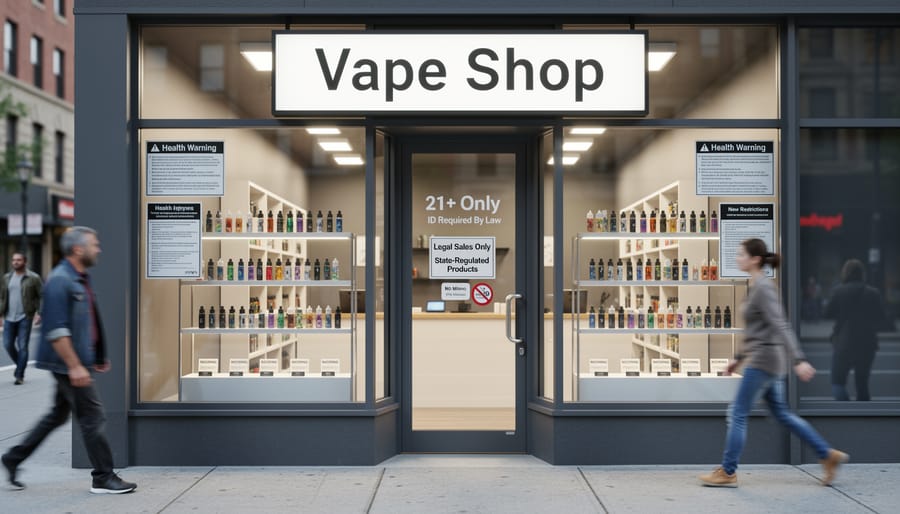
Despite widespread confusion and alarming headlines, the United States has not implemented a federal vaping ban, and no legislation is set to prohibit all vaping products in 2026. Vaping remains legal in all 50 states as of April 2026, and no state has banned the technology entirely. The misconception stems from significant regulatory changes that have transformed the vaping landscape without actually outlawing the practice itself.
What has actually changed is the enforcement mechanism. The FDA’s Premarket Tobacco Product Application (PMTA) requirement now applies to any nicotine-containing product, including those using synthetic nicotine. This means products must receive explicit authorization to be legally sold, a far cry from the previous environment where manufacturers could launch products with minimal regulatory oversight. The practical impact is substantial: authorized products can stay on shelves, while unauthorized ones cannot.
The second major shift involves state-level directory systems rolling out across dozens of states. These systems create approved product lists at the state level, effectively removing thousands of unauthorized items from retail locations. This isn’t a ban on vaping itself but rather a strict gatekeeping mechanism that dramatically reduces the range of available products.
These changes represent the most significant regulatory shifts since vaping went mainstream. The market is consolidating around authorized products from established manufacturers, while smaller brands and unauthorized imports face removal. For vapers, this means fewer choices at the store, but it doesn’t mean vaping has become illegal. Understanding this distinction is crucial for separating fact from the panic-driven narratives circulating online.
Key Regulatory Developments Reshaping the US Vaping Market
1. FDA PMTA Enforcement Intensifies for All Nicotine Products
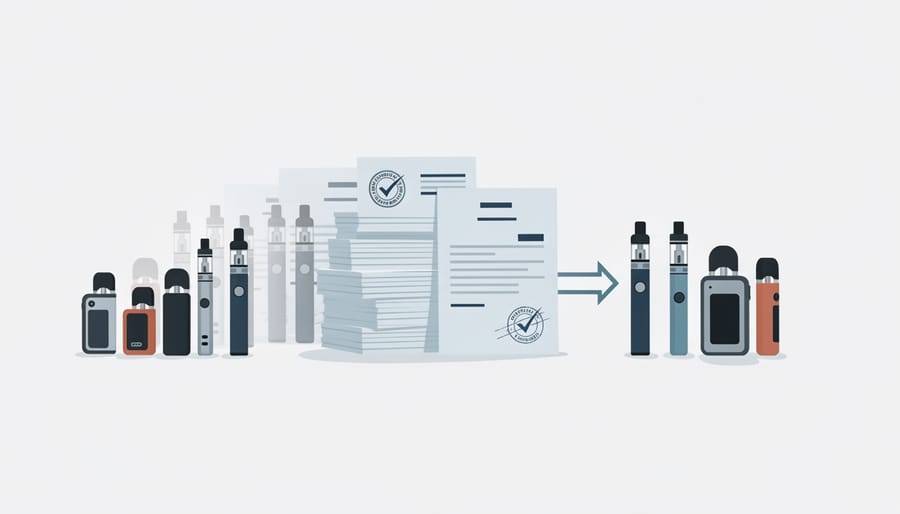
The FDA’s Premarket Tobacco Product Application requirement has become the single most consequential regulatory framework for the US vaping market. As of April 2026, any nicotine-containing vaping product must receive FDA PMTA authorization to be legally sold, a standard that applies equally to products using tobacco-derived nicotine and those containing synthetic nicotine. This closed a regulatory loophole that previously allowed synthetic nicotine products to operate outside FDA oversight.
The PMTA process requires manufacturers to submit extensive documentation demonstrating that their product is “appropriate for the protection of public health.” This includes toxicological data, clinical studies, manufacturing practices, and evidence that the product benefits adult smokers more than it harms youth or non-users. The application process is expensive and time-consuming, typically costing hundreds of thousands of dollars per product variant and requiring years of testing data.
For consumers, this translates to a dramatically narrowed product selection. Thousands of vaping products that flooded the market in previous years never received authorization and are gradually disappearing from legitimate retailers. Small manufacturers often lack the resources to navigate the PMTA process, leading to significant market consolidation around larger companies with the capital to pursue authorization. This doesn’t mean your favorite device or liquid will necessarily vanish, but it does mean the days of limitless options from countless small brands are ending.
The enforcement intensification has also created a clearer legal landscape. Authorized products are fully legal to sell and use. Unauthorized products face increasing risk of FDA warning letters, seizures, and retailer penalties. For vapers, this means purchasing from reputable retailers who verify their inventory complies with FDA requirements has become more important than ever.
2. State Directory Systems Roll Out Nationwide
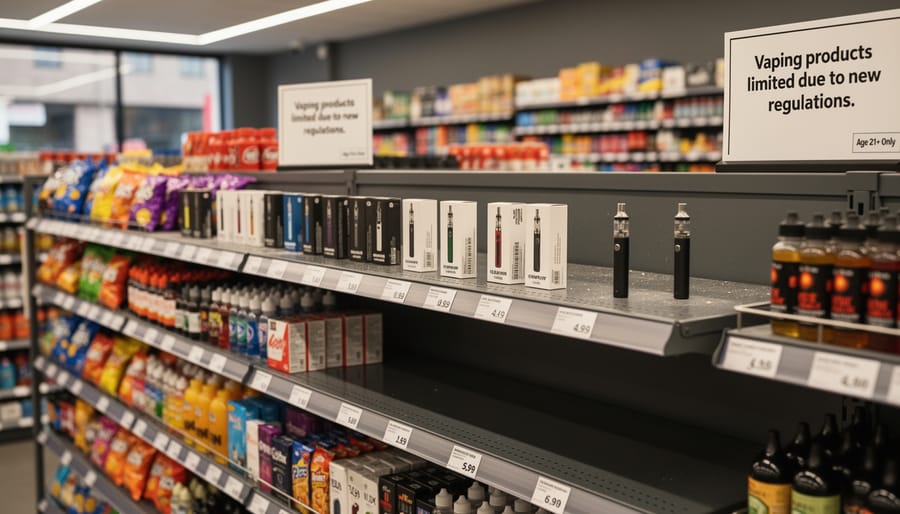
The directory system represents a fundamental shift in how vaping products reach retail shelves. States are implementing lists, essentially approved-products registries, that determine which vape devices and e-liquids can be legally sold within their borders. If a product hasn’t secured FDA authorization and doesn’t appear on the state directory, retailers must pull it from shelves or face penalties. Dozens of states have adopted or are rolling out these systems, creating a coordinated enforcement mechanism that makes unauthorized products nearly impossible to sell through legitimate retail channels.
Here’s how these directories work in practice: state agencies compile lists of products that have received PMTA authorization from the FDA. Retailers must cross-reference their inventory against the directory, and only items that appear on the list can remain available for sale. The systems often include online search tools where both retailers and consumers can verify a product’s authorization status by entering product names or UPC codes. Some states update their directories monthly, adding newly authorized products and removing those whose authorization has been revoked or denied.
The products most affected are unauthorized disposable vapes and flavored nicotine liquids from manufacturers who never obtained PMTA approval. These categories represent the bulk of removals because many smaller brands either couldn’t afford the expensive application process or chose not to comply with FDA requirements. Devices that were previously sold widely, including popular disposable brands and flavored pod systems, have disappeared from authorized retail locations almost overnight in directory states.
What you’ll notice at your local vape shop depends entirely on whether your state has implemented a directory system. In directory states, expect significantly reduced product selection, particularly among disposable devices and flavored options. Authorized retailers will display only directory-compliant products, though some inventory turnover takes time. Shops operating outside the system risk substantial fines and potential license revocation, so most legitimate retailers are complying strictly with these new requirements.
3. State-Level Flavor Bans Expand Beyond California
California has become the most visible example of state-level flavor restrictions, banning all flavored vaping products, including menthol, from retail sale. This doesn’t make vaping itself illegal in California, but it dramatically narrows what products residents can legally purchase. Adult vapers in the state can still buy tobacco-flavored e-liquids and devices, yet the practical reality is that most vapers who relied on fruit, dessert, or mint flavors now face limited options at brick-and-mortar stores.
The California ban isn’t an isolated case. Massachusetts implemented similar flavor restrictions in 2020, and New Jersey, New York, and Rhode Island have each enacted their own versions of flavor bans affecting some or all vaping products. The specifics vary by state, some target only flavored cartridge-based systems while allowing open-tank devices with flavored liquids, others apply blanket restrictions to all flavored nicotine products regardless of device type. This patchwork creates confusion for vapers who travel or shop online, since a product legal in one state may be prohibited in another.
Key state-level restrictions to watch:
- California: statewide ban on all flavored vaping products including menthol
- Massachusetts: comprehensive flavor ban covering all nicotine vaping products
- New York: flavored cartridge-based systems restricted; open systems face varying local regulations
- New Jersey: menthol and flavor restrictions apply to closed pod systems
- Rhode Island: flavor ban affecting most vaping products sold at retail
These state restrictions layer on top of federal PMTA requirements, creating a complex regulatory environment where geography determines what you can legally buy. A vaper moving from Texas to California, for instance, won’t face legal consequences for possessing flavored products they already own, but they’ll discover those products are no longer available for purchase in-state. Online retailers shipping to restricted states must navigate compliance with each jurisdiction’s rules, leading many to simply stop shipping certain products to specific states rather than risk violations.
How US Restrictions Compare to International Vaping Bans
The US occupies a middle position on the global spectrum of vaping regulation, far from the permissive approach of countries like the UK, but nowhere near the complete prohibitions enforced elsewhere. Understanding where America stands requires looking at the three broad regulatory models other nations have adopted.
At the restrictive end, several countries have implemented total bans on vaping products. Australia maintained a prescription-only model for nicotine vapes until recently, effectively prohibiting recreational use for years. India banned the sale, manufacture, and import of all e-cigarettes in 2019. Thailand, Singapore, and numerous other Asian nations treat vaping as completely illegal, with possession often carrying criminal penalties. In these jurisdictions, vapers face fines or even jail time, a stark contrast to the US market where the product category remains legal despite regulatory hurdles.
European nations largely follow a flavor-restriction model similar to what’s emerging in parts of the US. The Netherlands banned all flavored e-liquids except tobacco flavor in 2023. Denmark implemented comparable restrictions. Most EU countries permit vaping but heavily regulate nicotine concentrations, bottle sizes, and advertising, creating a constrained but accessible market.
Then there’s the light-touch approach exemplified by the United Kingdom, where vaping is actively promoted as a smoking cessation tool. UK health authorities encourage smokers to switch to vaping, with e-cigarettes available in hospital shops and prescribed through the National Health Service. France and New Zealand have adopted similarly supportive stances, viewing regulated vaping as harm reduction.
The US approach combines elements of all three models: vaping remains legal nationwide, but the PMTA authorization process creates high barriers to market entry, state-level flavor bans mirror European restrictions, and the directory enforcement system removes unauthorized products aggressively. America hasn’t banned vaping, but it’s constructed a regulatory framework that achieves similar market consolidation through administrative requirements rather than outright prohibition.
Why These Changes Matter for Vapers
These regulatory shifts don’t mean vaping is ending, but they will change your shopping experience and product choices in tangible ways.
The most immediate impact is narrower selection at your local vape shop. As state directory systems remove unauthorized products, you’ll see fewer brands and flavor options on shelves. This affects both hardware and e-liquids, thousands of products currently available won’t make it through the authorization process. If you’ve been loyal to a specific brand or flavor profile, you may need to find alternatives among authorized products.
Prices will likely increase as well. The PMTA process costs manufacturers substantial money, and those expenses get passed to consumers. Market consolidation means less competition, which historically leads to higher retail prices. Budget-conscious vapers should expect to pay more per bottle of e-liquid and per device than they did a few years ago.
Here’s what won’t change: if you already own vaping devices and e-liquids, they remain legal to possess and use. These regulations target sales and distribution, not personal ownership. You’re not breaking any law by continuing to use products you purchased before enforcement intensified.
The critical takeaway is knowing where to shop. Authorized retailers who verify product compliance protect you from potential issues. Gas stations and convenience stores selling unauthorized products create risk, for the retailer primarily, but also unnecessary hassle for you if a product gets pulled from the market with no warranty support or replacement options.
You’re not losing access to vaping itself. You’re navigating a more regulated market where fewer products meet federal standards. For many vapers, authorized products will serve their needs perfectly well. For others seeking specific flavors or devices, the adjustment period may feel restrictive until you find suitable alternatives.
What to Watch: The Road Ahead for US Vaping Regulation
The regulatory landscape for vaping in 2026 isn’t static. Federal and state authorities continue refining enforcement mechanisms, and several developments warrant close attention from anyone who vapes.
At the federal level, the FDA is expanding its compliance and enforcement operations. Expect increased scrutiny of online retailers, more warning letters to manufacturers selling unauthorized products, and potentially civil money penalties for repeat violators. The agency has signaled that synthetic nicotine products, which briefly operated in a regulatory gray area, now face the same PMTA requirements as traditional nicotine vapes. This enforcement push will likely accelerate through late 2026 and into 2027.
State legislatures remain the more unpredictable variable. Beyond California’s flavor ban, several states are considering similar restrictions, additional excise taxes, or stricter retail licensing requirements. The directory system model, which automates removal of unauthorized products from store shelves, is gaining traction in states that want enforcement without dedicating resources to manual inspections. Watch for your state legislature’s committee hearings on tobacco products, typically held in early spring sessions.
Industry groups are mounting legal challenges to some restrictions, particularly flavor bans they argue exceed state authority or contradict federal standards. Court outcomes in these cases could reshape what’s permissible at the state level, but litigation moves slowly and offers no immediate clarity.
For vapers, staying informed means taking specific actions:
- Verify that your preferred products appear on the FDA’s list of authorized tobacco products
- Check your state health department website quarterly for regulatory updates or new restrictions
- Subscribe to FDA tobacco product announcements for federal enforcement news
- Follow reputable vaping advocacy organizations that track legislative proposals in real time
- Confirm your usual retailer carries only authorized products to avoid purchasing items that may be pulled from shelves
The enforcement environment will tighten, not loosen, over the next 18 months. Products that slip through initial PMTA reviews face renewed scrutiny, and states are building infrastructure to enforce bans more effectively. Treat any “final chance” marketing claims with skepticism. Authorized products from established manufacturers offer the most stable path forward, even if selection narrows compared to the wide-open market of previous years.
Common Questions About US Vaping Restrictions
Is vaping completely banned anywhere in the US?
No state has banned all vaping products entirely. While California prohibits flavored vapes including menthol, vaping itself remains legal there and in all 50 states as of April 2026.
Can I still buy vape products online?
Yes, but only products that have received FDA PMTA authorization can be legally sold. Reputable online retailers are increasingly restricting their catalogs to authorized products as state directory systems roll out.
What happens if I’m caught with unauthorized products?
Enforcement targets manufacturers and retailers, not individual consumers. Possessing unauthorized products you already own isn’t illegal, but retailers face penalties for selling them, which is why you’ll see fewer options on store shelves.
How do I know if a product is authorized?
Check your state health department’s vaping product directory if available, or verify with the retailer that the product has received FDA marketing authorization. Authorized products will have documentation retailers can provide upon request.
One question that surfaces less frequently but deserves attention: nicotine-free vapes occupy a gray area. While FDA tobacco regulations primarily target nicotine-containing products, state laws vary in how they classify zero-nicotine alternatives. Some states include them in flavor bans and directory requirements, while others don’t. If you’re considering nicotine-free options, verify your specific state’s stance rather than assuming they’re exempt from restrictions.
The regulatory landscape shifts quickly enough that what’s true in your state this month might change by next quarter. Bookmark your state health department’s tobacco control page and check it periodically, especially before stocking up on supplies or trying new products. Retailers who stay current with compliance requirements are your most reliable information source, since their business depends on tracking these changes accurately.
Despite widespread rumors and confusion, no total US vaping ban exists or is scheduled to take effect. Vaping remains legal in all 50 states as of April 2026, and no state has banned all vaping products entirely. What has changed dramatically is the regulatory environment: the FDA’s PMTA authorization requirement now applies to all nicotine-containing products, and the directory system rollout across dozens of states is removing thousands of unauthorized products from retail shelves.
If you’re an informed vaper who purchases authorized products from reputable retailers, you can continue vaping legally. The key is staying aware of both federal requirements and your state’s specific restrictions, which vary significantly from flavor bans in states like California to more permissive frameworks elsewhere.
The regulatory landscape will continue evolving throughout 2026 and beyond. Monitor FDA enforcement announcements, track your state’s directory system implementation, and verify that your preferred products remain authorized. Knowledge is your best tool for navigating this shifting environment without unnecessary disruption to your vaping routine.