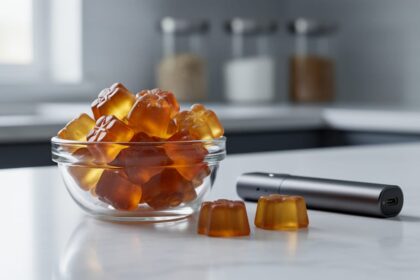
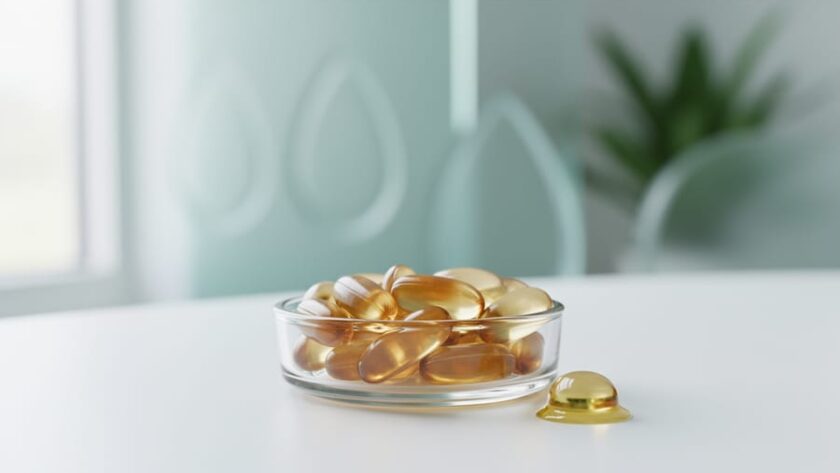
CBD gel capsules are pre-measured, swallowable doses of cannabidiol encased in a soft or hard shell, offering one of the most discreet and convenient ways to incorporate CBD into your wellness routine without the need for vaping or smoking. For the vaping community exploring alternative cannabinoid delivery methods, these capsules deliver consistent dosing, typically ranging from 10 to 50 mg of CBD per cap, with no inhalation required and effects that develop over 45 to 90 minutes as the capsule breaks down in your digestive system.
The appeal is straightforward: you get precise control over your intake, no vapor clouds, and a format that fits seamlessly into daily supplement regimens. But the Canadian market in 2026 sits at a regulatory crossroads. Health Canada is actively consulting on a proposed framework that would allow CBD health products to be sold without a prescription, reclassifying them under the Natural Health Products Regulations rather than keeping them locked within the cannabis framework. This shift could open access considerably, but until finalized, consumers face a patchwork of licensed cannabis retailers and evolving labeling standards.
Recent recalls, including one involving Zenabis Global for incorrectly labeled cannabis gel capsules, underscore the importance of verifying lab testing and regulatory compliance before purchase. Product claims often tout benefits for pain, anxiety, sleep, and focus through the so-called entourage effect, while THC content typically stays below 0.3% or is entirely absent to avoid psychoactive effects. Understanding what differentiates a quality capsule from a mislabeled one, how bioavailability stacks up against vaping, and what regulatory safeguards apply will help you make informed decisions in a category still finding its footing.
What Are CBD Gel Caps?
CBD gel caps, often labeled as gélules CBD in French-speaking markets, are soft or hard capsules containing cannabidiol extract suspended in a carrier oil like MCT, hemp seed, or olive oil. Unlike vaping CBD e-liquids, which deliver cannabinoids directly to the lungs for rapid absorption, gel caps are swallowed whole and metabolized through the digestive system. This oral route produces a slower onset (typically 30 to 90 minutes) but offers a longer-lasting effect, making them attractive to users seeking sustained relief without the need for repeated dosing throughout the day.
Most CBD capsules contain between 10 and 50 milligrams of CBD per capsule, though concentrations vary by manufacturer and intended use. Some products are formulated as full-spectrum extracts, meaning they include trace amounts of other cannabinoids, terpenes, and plant compounds alongside CBD. Manufacturers often claim these additional compounds work together to produce an “entourage effect,” theoretically enhancing the overall therapeutic impact compared to CBD isolate. One product listing, for example, described its capsules as leveraging the entourage effect to help with pain, anxiety, sleep, and focus. These claims, while common in marketing, remain largely unsupported by regulatory approval and should be approached with caution.
The primary appeal for vape enthusiasts lies in convenience and discretion. Gel caps require no device, no charging, and no visible vapor, making them ideal for situations where vaping is impractical or prohibited. They also offer precise, pre-measured dosing, which eliminates the guesswork associated with counting puffs or estimating e-liquid consumption. For individuals exploring alternatives to nicotine or seeking complementary wellness options without the ritual of vaping, CBD capsules provide a straightforward entry point into cannabinoid supplementation.
CBD Gélules vs. CBD Vaping: Key Differences
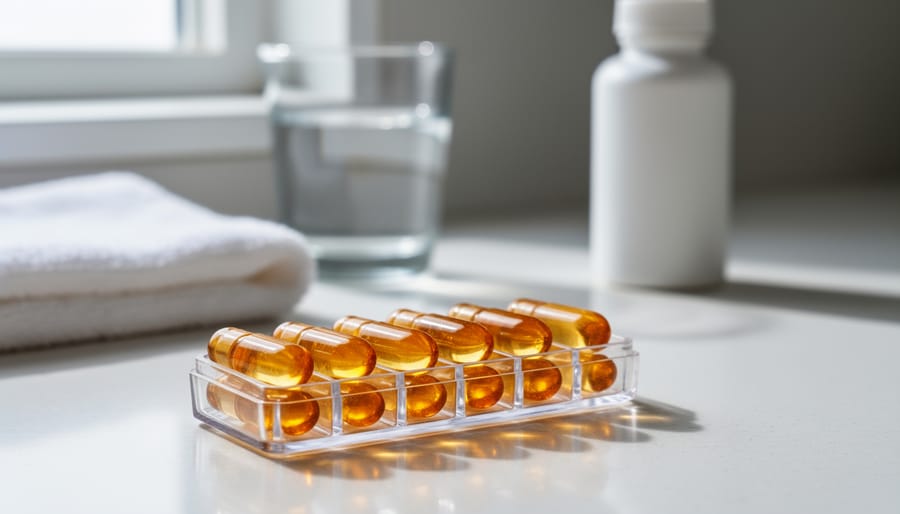
Understanding how CBD vaping works helps illustrate why gel capsules offer such a different experience, even though both deliver cannabidiol. The most striking contrast is timing: vaping CBD delivers effects within minutes as cannabinoids reach the bloodstream through lung tissue, while gel caps must pass through your digestive system, typically taking 30 to 90 minutes before you notice anything. This fundamental difference shapes everything else about the user experience.
| Method | Onset Time | Duration | Discretion | Best Use Case |
|---|---|---|---|---|
| CBD Gel Caps | 30-90 minutes | 4-6 hours | Completely discreet | Sustained relief, workplace-friendly |
| CBD Vaping | 2-5 minutes | 1-3 hours | Visible vapor, detectable | Quick relief, flexible dosing |
Bioavailability tells another part of the story. Vaping delivers roughly 25 to 40 percent of CBD directly into circulation, while oral capsules face the gastrointestinal tract and first-pass liver metabolism, typically achieving bioavailability around 6 to 15 percent. In practical terms, a 20mg vape session may deliver more usable CBD than a 50mg capsule, though the capsule’s effects last significantly longer.
For vape enthusiasts, gel caps shine in situations where producing vapor is impractical or unwelcome: long flights, workplaces with strict policies, or environments where discretion matters. You swallow a capsule with water like any supplement, no setup or charging required. Conversely, vaping remains superior when you need immediate relief or prefer to titrate your dose throughout the day, adjusting intake based on how you feel moment to moment.
Many users find these methods complement rather than replace each other. Capsules provide a baseline level of CBD throughout the day, while vaping handles acute situations or evening relaxation. The choice depends less on which method is objectively better and more on matching delivery to your routine, desired onset speed, and where you plan to use CBD.
Regulatory Landscape in 2026
Labeling Standards and Consumer Safety
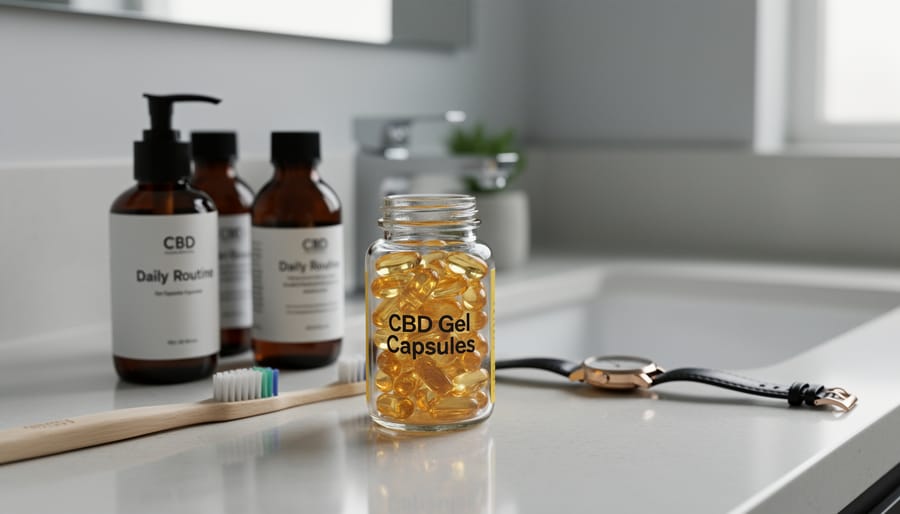
Proper labeling isn’t just regulatory paperwork, it’s the firewall between a safe CBD product and one that could trigger a failed drug test or unwanted psychoactive effects. Health Canada enforces strict labeling requirements for cannabis products, including gel capsules, and recent enforcement actions show why those standards matter.
In a high-profile case, Health Canada ordered a Zenabis recall for mislabeling after discovering that capsules marketed as CBD-only contained undisclosed THC levels. The manufacturer had labeled the products incorrectly, leaving consumers unaware of the actual cannabinoid content inside each capsule. For users seeking THC-free options, whether for workplace compliance, personal preference, or legal reasons, this kind of error isn’t a minor administrative slip. It’s a breach of trust.
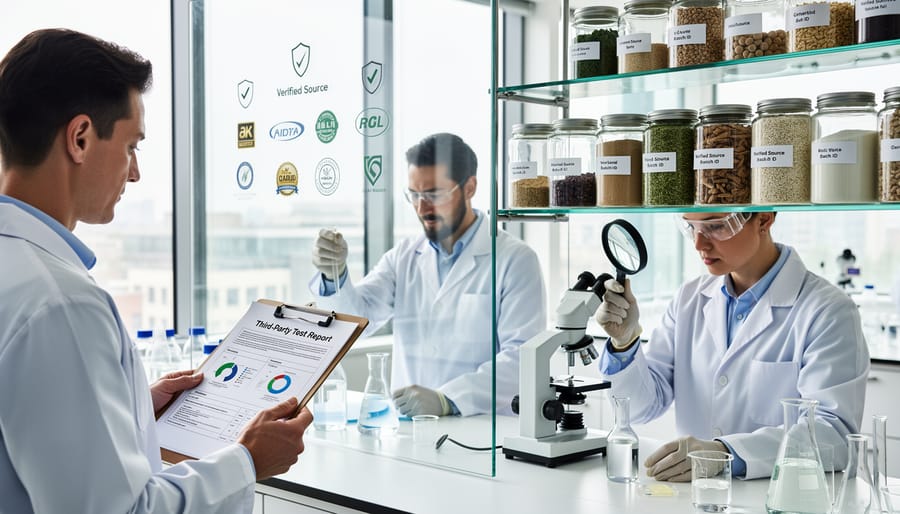
Before you buy, verify three things on the label. First, look for explicit THC content disclosure. Reputable products state either “THC-free” or list a specific percentage, typically under 0.3% for broad-spectrum formulations. Second, check for a full cannabinoid profile showing CBD milligrams per capsule and any minor cannabinoids present. Third, confirm the label references third-party lab testing, ideally with a batch number or QR code linking to a certificate of analysis.
Transparent ingredient lists matter too. You should see the carrier oil type, capsule material (gelatin or plant-based alternatives), and any added terpenes or excipients. If the label makes health claims, “helps with pain, anxiety, sleep and focus,” as one listing did, understand these aren’t approved therapeutic statements under current Canadian regulations. They’re marketing language, not clinical endorsements.
What CBD Gel Caps Are Used For
CBD gel caps are marketed for a range of wellness applications, but it’s essential to understand the distinction between consumer claims and what’s actually supported by regulatory approval or robust clinical evidence.
Most product listings position CBD capsules as multi-purpose solutions. You’ll commonly see claims around pain management, anxiety reduction, sleep support, and improved focus, sometimes all in a single product description. One listing reviewed during research stated its capsules provided an “entourage effect” while helping with pain, anxiety, sleep, and focus simultaneously. These broad, overlapping claims should raise questions about specificity and evidence.
The reality is more nuanced. While some preliminary research suggests CBD may influence pain perception, stress response, and sleep quality through its interaction with the endocannabinoid system, Health Canada has not approved these products as treatments for specific conditions. The proposed regulatory framework for 2026 would allow CBD products as natural health ingredients, but this classification differs significantly from pharmaceutical approval. You’re looking at wellness support, not medicine.
For vape enthusiasts exploring CBD gel caps, approach marketing language critically. A product claiming to simultaneously address pain, anxiety, sleep, and concentration likely oversimplifies how cannabinoids work and what current evidence supports. Individual responses vary widely, and what works for sleep may not deliver on focus claims for the same person.
Third-party testing and transparent cannabinoid profiles matter more than aspirational wellness promises. The recent Zenabis Global recall underscores why verified THC content and accurate labeling should guide your decision more than sweeping benefit claims. If a capsule addresses every wellness concern imaginable, it’s probably promising more than it can deliver.
What to Look for When Choosing CBD Gel Caps
Navigating the CBD gel cap market requires a critical eye, especially as regulations evolve and product quality varies widely. Start with third-party lab testing, this is non-negotiable. Reputable manufacturers provide Certificates of Analysis (CoAs) from independent labs, verifying cannabinoid content, THC levels, and screening for contaminants like pesticides, heavy metals, and residual solvents. If a brand doesn’t make lab results easily accessible on their website or product packaging, walk away.
THC content verification matters, particularly for those concerned about drug testing or legal compliance. Many products claim THC levels below 0.3%, while others advertise THC-free formulations. Given Health Canada’s recent recall of mislabeled cannabis gel capsules from Zenabis Global, cross-reference the CoA against product claims. Don’t trust marketing alone, confirm what’s actually inside through verified lab documentation.
Cannabinoid profile transparency separates quality products from questionable ones. Look beyond just CBD milligrams per capsule. Does the label specify whether it’s full-spectrum (contains other cannabinoids and terpenes), broad-spectrum (multiple cannabinoids minus THC), or CBD isolate? Full-spectrum products often tout the entourage effect, but if you’re sensitive to THC or subject to testing, isolate or broad-spectrum might be safer choices. Much like when you choose CBD products for vaping, understanding the cannabinoid breakdown helps match effects to your needs.
Capsule material deserves attention too. Traditional gelatin capsules aren’t suitable for vegetarians or vegans, while plant-based alternatives (often cellulose-derived) accommodate dietary restrictions. Check ingredient lists for unnecessary fillers, artificial colors, or allergens.
Finally, sourcing information signals quality. Where was the hemp grown? Organic certification, though not mandatory, suggests cleaner cultivation practices. Some manufacturers provide batch-specific traceability, similar to transparency standards you’d find in a buying guide for THC products. In 2026’s shifting regulatory landscape, informed choices protect both your wellness goals and your wallet.
Common Questions About CBD Gel Caps
Will CBD gel caps flag a drug test? That’s the most common concern, and the honest answer is: it depends on the THC content. Products that truly contain less than 0.3% THC or are THC-free formulations shouldn’t trigger a positive result on standard workplace drug screens, which look for THC metabolites. But here’s the catch, mislabeling happens. Health Canada has issued a recall of incorrectly labelled cannabis gel capsules manufactured by New Brunswick-based producer Zenabis Global, highlighting that what’s on the label doesn’t always match what’s inside. If you’re subject to drug testing, verify third-party lab results before assuming any CBD product is safe.
How long do the effects last, and when do they kick in? Gel caps work more slowly than vaping because they must pass through your digestive system first. You’re looking at 45 minutes to two hours before feeling anything, with effects typically lasting four to six hours once they arrive. That delayed onset catches people off guard, especially vapers accustomed to near-instant feedback from inhalation. The trade-off is longer-lasting, steadier effects without the need for repeated dosing throughout the day.
Can you take CBD gel caps if you still vape nicotine? There’s no known interaction between CBD and nicotine, so using both shouldn’t create problems from a safety standpoint. Some former smokers and current vapers use CBD capsules alongside their regular vaping routine, treating them as separate tools for different purposes, one for nicotine satisfaction, the other for whatever wellness goals they’re chasing. Just be aware that regulatory landscapes vary widely; countries with strict vaping bans and rules often extend those restrictions to cannabis products as well, so legality isn’t universal even within regions that allow nicotine vaping.
Are CBD gel caps legal everywhere in Canada?
Health Canada is proposing a framework to allow access to CBD health products without a prescription, but as of 2026, regulations are still evolving. Always verify current rules in your province and check product compliance with federal THC limits.
How do I know what dosage to start with?
Start low, 5 to 10 mg, and wait several days before increasing, since gel caps take longer to kick in than vaping. There’s no universal “right” dose; it depends on body weight, tolerance, and what you’re trying to achieve.
Can former smokers or vapers use CBD gel caps as a replacement?
CBD gel caps won’t satisfy nicotine cravings, they contain no nicotine, but some people use them as part of a broader harm reduction strategy. They’re a different category entirely, not a direct substitute for vaping or smoking.
One more practical concern: interactions with other substances. CBD can affect how your liver processes certain medications, particularly those metabolized by the CYP450 enzyme system. If you’re on prescription meds, especially blood thinners or seizure medications, check with a healthcare provider before adding CBD capsules to your routine. This isn’t hypothetical caution, it’s a real metabolic pathway issue that matters for safety.
CBD gel caps represent an interesting crossroad for vape enthusiasts exploring diversification beyond nicotine or looking for complementary wellness options. They won’t replace the ritual or immediate satisfaction of vaping, but they offer something vaping can’t: extended, discreet dosing without drawing attention or requiring equipment. For those considering harm reduction strategies or simply broadening their approach to wellness, gel caps fit naturally into the conversation, especially as regulatory clarity improves.
The landscape is shifting. Health Canada’s proposed framework to allow non-prescription access to CBD health products signals maturation, but it also means the market will keep evolving. Labels will become more standardized, testing more rigorous, and accountability higher. That’s good news for consumers, but it demands vigilance on your part. Don’t assume a product is safe or accurately labeled just because it’s available. Verify third-party testing, confirm THC content, and check for any recalls before you buy.
We’ll continue tracking these developments and providing the independent, evidence-based guidance you’ve come to expect. As the CBD market matures, so will the quality of information available, and the quality of products worth your attention. Stay curious, stay critical, and make decisions based on facts, not hype. Whether you’re vaping, supplementing, or exploring alternatives altogether, informed choices always win.