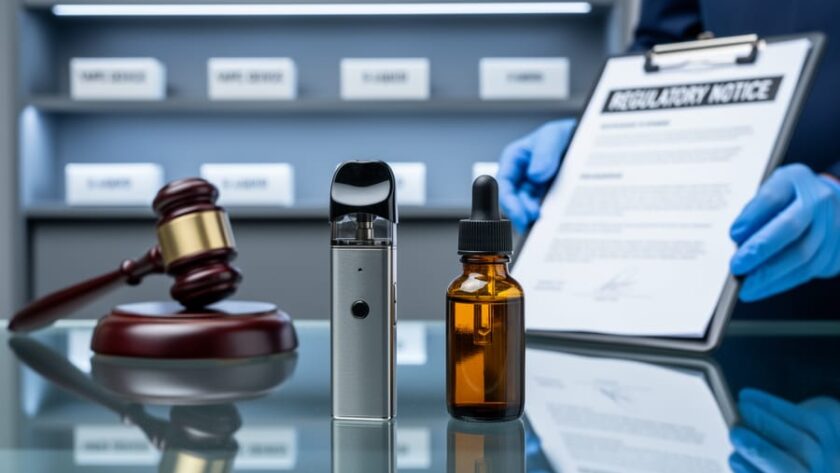
The FDA’s regulatory authority over vaping products has fundamentally reshaped what you can buy, where you can purchase it, and how manufacturers bring products to market. Since 2016, when the agency extended its tobacco authority to include e-cigarettes, every vaping product sold legally in the United States must navigate a complex approval process that has already removed hundreds of thousands of products from the market.
Understanding these regulations matters because they directly impact your access to flavored e-liquids, the devices available at your local vape shop, and even whether your favorite brand will exist next year. The FDA’s Premarket Tobacco Product Application process requires manufacturers to prove their products are “appropriate for the protection of public health”—a standard that has proven challenging for many smaller companies to meet.
For adult vapers, this regulatory landscape creates real uncertainty. The agency has prioritized enforcement against flavored cartridge-based products appealing to youth while taking a more measured approach to open-system vaping devices and tobacco-flavored options. However, the situation remains fluid, with ongoing court challenges, enforcement actions, and policy shifts affecting product availability.
This guide cuts through the regulatory complexity to explain what FDA oversight means for your vaping choices today and what changes lie ahead. Whether you’re switching from traditional cigarettes or trying to understand why certain products have disappeared from shelves, you need to know how federal regulation shapes the vaping marketplace and your purchasing options.
The Evolution of FDA Authority Over Vaping Products
When vaping products first emerged in the mid-2000s, they existed in a regulatory gray area. The FDA initially had no clear authority over e-cigarettes, leaving manufacturers and retailers operating without federal oversight. This changed dramatically as vaping gained popularity and raised questions about public health implications.
The journey toward regulation began with legal challenges. In 2009, the FDA attempted to regulate e-cigarettes as drug-delivery devices, but manufacturers successfully challenged this approach in court. The ruling established that e-cigarettes couldn’t be regulated as medical devices unless marketed for therapeutic purposes. This left the FDA searching for an alternative legal pathway to oversee these products.
The breakthrough came with the Family Smoking Prevention and Tobacco Control Act of 2009, which gave the FDA authority over tobacco products and the ability to “deem” other products containing nicotine derived from tobacco as subject to the same regulations. While this law initially covered traditional cigarettes, smokeless tobacco, and roll-your-own tobacco, it granted the FDA power to extend its reach.
After years of deliberation and public comment periods, the FDA finalized the 2016 Deeming Rule, which brought e-cigarettes, vape liquids, and other electronic nicotine delivery systems under federal jurisdiction. This landmark regulation transformed the industry overnight.
Under this expanded authority, the FDA now controls multiple aspects of the vaping market. They can review new products before they reach consumers, require manufacturers to submit detailed applications proving their products are “appropriate for the protection of public health,” and remove non-compliant items from store shelves. The agency also gained power to regulate manufacturing practices, impose age restrictions, and restrict marketing claims.
For vapers, understanding this evolution helps explain why the market looks different today than it did even a few years ago. The regulatory framework continues shaping product availability and innovation within the industry.
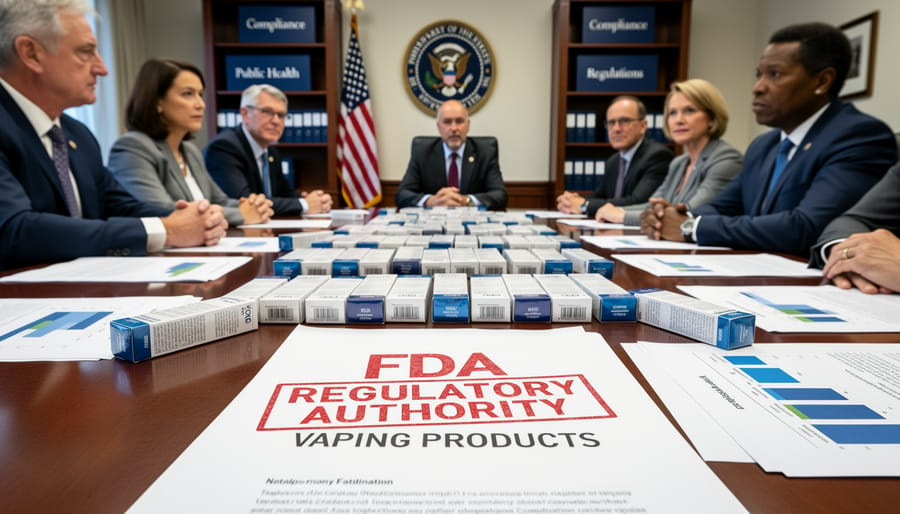
Understanding the PMTA Process: What It Means for Your Favorite Products
Why So Many Vape Products Have Vanished
The direct connection between PMTA enforcement and empty shelves is straightforward: products without FDA authorization are now prohibited from sale. Through ongoing PMTA enforcement actions, thousands of vaping products have been removed from the market, fundamentally changing what consumers can purchase.
Flavored disposable vapes have been hit hardest by enforcement efforts. The FDA specifically targeted sweet and fruit-flavored disposables, which were among the most popular products with both adult users and underage individuals. This category experienced the most dramatic removals, with countless brands disappearing virtually overnight.
Pod-based systems, particularly those offering flavored options beyond tobacco and menthol, faced similar scrutiny. Many popular pod systems that defined the vaping landscape just a few years ago are no longer legally available. Additionally, countless independent e-liquid manufacturers, especially smaller companies lacking resources for comprehensive PMTA submissions, have pulled their products rather than face potential enforcement actions. The regulatory burden disproportionately affected these smaller operations, reducing consumer choice significantly and reshaping the marketplace toward larger manufacturers with deeper pockets.
Products That Made It Through (And Why)
As of now, only a select number of tobacco-flavored vaping products have received FDA authorization through the rigorous Premarket Tobacco Product Application (PMTA) process. The FDA-authorized vaping products list includes several closed-system devices from major manufacturers like Vuse and NJOY, primarily featuring tobacco-flavored pods.
What made these applications successful? The FDA prioritized products that demonstrated clear benefits for adult smokers attempting to quit traditional cigarettes while minimizing youth appeal. Authorized products typically presented comprehensive scientific evidence showing they help smokers transition away from combustible tobacco without attracting new, non-smoking users.
Tobacco flavors played a crucial role in approval success. The FDA has been particularly skeptical of flavored products due to youth vaping concerns, making unflavored or tobacco-flavored options significantly more likely to receive authorization. Additionally, closed-system devices with limited customization options performed better than open-tank systems, as they offer manufacturers greater control over nicotine delivery and reduce tampering risks.
Successful applicants also provided extensive data on manufacturing standards, quality control processes, and long-term health impact studies, demonstrating their commitment to consumer safety and regulatory compliance.
The Flavor Ban Controversy: Where Things Stand Now
The flavor ban issue remains one of the most misunderstood aspects of FDA vaping regulation, and it’s essential to clear up the confusion. Contrary to popular belief, the FDA hasn’t implemented a complete flavor ban across all vaping products. Instead, the agency has taken a targeted approach that varies significantly depending on the type of product you’re using.
In January 2020, the FDA announced enforcement priorities that specifically restricted flavored cartridge-based e-cigarettes, except for tobacco and menthol varieties. This decision primarily affected closed-pod systems like certain popular brands, but left open tank systems largely untouched. The reasoning behind this selective approach centered on youth usage data, which showed teenagers predominantly favored the convenience of pre-filled cartridge products in sweet and fruity flavors.
| Product Category | Flavor Status | Enforcement Priority |
|---|---|---|
| Prefilled Pods/Cartridges | Tobacco and Menthol Only | High |
| Disposables | All Flavors Targeted | High (Recent Focus) |
| Open Tank Systems | All Flavors Available | Lower |
| Refillable E-Liquids | All Flavors Available | Lower |
Here’s where it gets more complex. While the 2020 guidance spared open systems and bottled e-liquids, the FDA’s recent enforcement actions have shifted focus toward flavored disposable vapes, which exploded in popularity after the cartridge restrictions took effect. The agency has identified disposables as a priority enforcement category, though many flavored products remain widely available as the FDA works through its backlog of premarket applications.
For adult vapers, this means refillable pod systems and traditional mod setups with separate e-liquid purchases continue to offer the widest flavor selection. The FDA has consistently emphasized that its enforcement priorities target products most appealing to youth while attempting to preserve access for adults seeking alternatives to combustible cigarettes.
The current landscape remains fluid, with ongoing litigation and policy discussions that could reshape these restrictions. Understanding these distinctions helps you make informed choices about which products will likely remain available and which categories face uncertain futures in the marketplace.
Youth Vaping: The FDA’s Primary Concern
Understanding the FDA’s regulatory stance on vaping requires recognizing one fundamental truth: youth vaping statistics drive nearly every policy decision the agency makes. While adult smokers may have turned to vaping as a harm reduction tool, the surge in teenage e-cigarette use has positioned youth protection as the FDA’s top priority, often with significant consequences for adult vapers.
The numbers tell a compelling story. Between 2017 and 2019, youth vaping rates skyrocketed, with high school e-cigarette use increasing by over 75 percent. At the epidemic’s peak, more than 5 million middle and high school students reported current e-cigarette use. These statistics prompted the FDA to declare youth vaping a public health crisis and fundamentally reshaped how the agency approaches regulation. Although recent data shows declining youth usage rates, the FDA maintains its aggressive stance, citing any youth use as unacceptable.
This focus has translated into sweeping enforcement actions. The FDA has sent thousands of warning letters to retailers selling to minors and imposed substantial civil money penalties on repeat offenders. The agency’s compliance check inspections specifically target convenience stores, gas stations, and vape shops to ensure age verification procedures meet federal standards. Retailers found selling to underage customers face consequences ranging from warning letters to no-tobacco-sale orders that can effectively shut down their tobacco business.
The most significant impact on adult vapers stems from flavor restrictions implemented specifically to curb youth appeal. The FDA’s 2020 enforcement policy prioritizing removal of flavored cartridge-based products from the market directly responded to youth usage patterns showing preferences for fruit and mint flavors. While tobacco and menthol flavors in closed systems remained available, and open tank systems retained broader flavor access, many adult vapers found their preferred products discontinued.
This youth-centric approach creates an ongoing tension: policies designed to protect teenagers simultaneously limit choices for adults seeking alternatives to combustible cigarettes. Understanding this dynamic helps explain why certain products remain available while others face regulatory barriers, and why the FDA continues prioritizing youth prevention even as adult vaping serves legitimate harm reduction purposes.
What Current Regulations Mean for Your Daily Vaping Experience
Understanding how FDA regulations affect your vaping experience is essential for making informed decisions about product purchases and usage. These federal rules have tangible impacts on what you can buy, where you can buy it, and what information manufacturers must provide.
The most noticeable effect of FDA oversight is product availability. Since the agency began requiring manufacturers to submit Premarket Tobacco Product Applications (PMTAs) in 2020, thousands of vaping products have disappeared from the market. Only products that have received FDA authorization or are under active review can be legally sold. This means that flavored pod systems and certain disposable devices you once enjoyed may no longer be available through legitimate retailers. The FDA has been particularly restrictive with flavored products, especially those perceived as appealing to youth, which has significantly reduced the variety of options for adult consumers.
Labeling requirements have also changed what you see on product packaging. All vaping products now must display specific health warnings, including statements about nicotine addiction. Manufacturers must clearly list nicotine content, ingredients, and manufacturing information. While this transparency benefits consumers who want to know exactly what they’re purchasing, it also means that any product lacking proper labeling is likely unauthorized and potentially unsafe.
Here’s how regulations directly impact your daily vaping experience:
- Reduced flavor options, particularly in pod-based systems and disposables
- Mandatory health warnings on all packaging and advertisements
- Restrictions on online sales and age verification requirements
- Limited availability of products without FDA marketing authorization
- Standardized nicotine content disclosure on all products
- Prohibition of certain marketing claims without scientific evidence
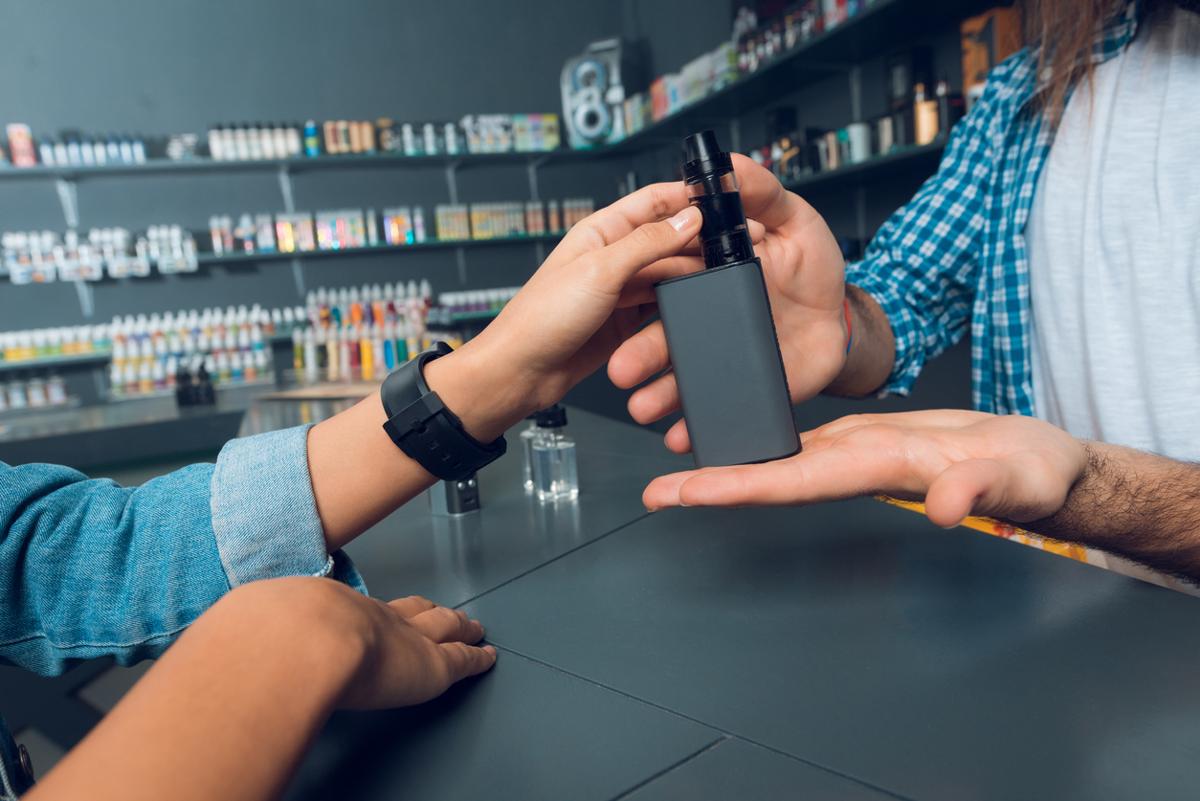
Where you purchase vaping products matters more than ever. Only licensed retailers who verify age and sell authorized products should be trusted sources. The FDA has cracked down on gas stations, convenience stores, and online sellers distributing unauthorized products. Reputable vape shops typically stay current with regulatory changes and stock compliant products, making them your safest purchasing option.
Nicotine content regulations vary by product type, though the FDA hasn’t imposed universal caps. However, manufacturers must accurately report nicotine levels, and some states have implemented their own restrictions. Always check product labeling to understand exactly what nicotine concentration you’re purchasing, as transparency has improved significantly under current regulations.
Online Sales and Shipping Restrictions You Need to Know
The PACT Act, which was amended in 2020 to include vaping products, has significantly changed how you can purchase vapes online. Understanding these restrictions helps you navigate the current landscape and avoid potential legal issues when ordering your vaping supplies.
The most impactful change came when USPS banned the shipment of all vaping products in 2021. This means you cannot receive vapes, e-liquids, or related devices through standard U.S. Mail anymore. Private carriers like UPS and FedEx followed suit with their own restrictions, though some regional carriers still accept these shipments under specific conditions.
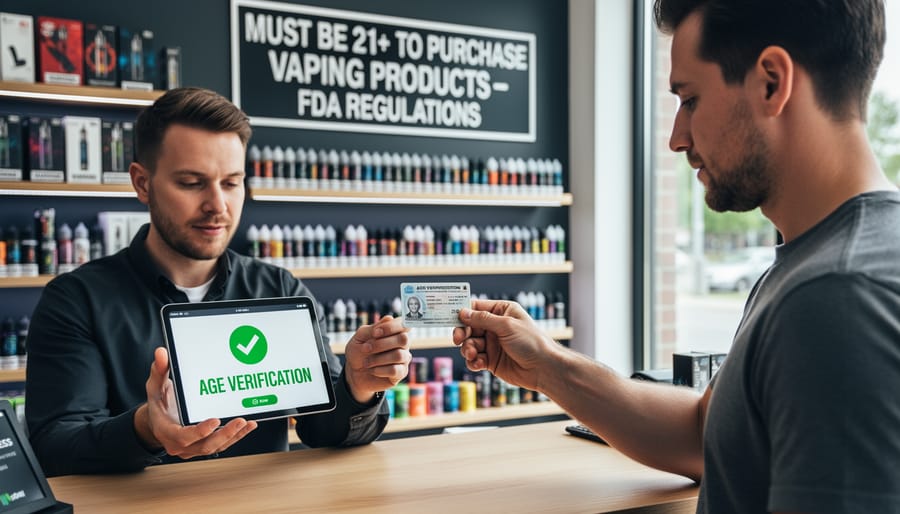
When you purchase vaping products online, retailers must now verify your age before completing the transaction. This goes beyond simply clicking a box confirming you’re 21 or older. Many sites require uploading identification documents or using third-party age verification services that cross-reference databases to confirm your age.
The PACT Act also requires online retailers to register with federal and state authorities, maintain detailed customer records, and report sales to state tax administrators. These reporting obligations ensure proper tax collection and help prevent sales to minors. Retailers must collect applicable taxes at the point of sale and remit them to appropriate state agencies.
What remains legal is purchasing directly from brick-and-mortar vape shops, which aren’t subject to the same shipping restrictions. Some online retailers have adapted by offering local pickup options or partnering with adult-signature delivery services that comply with federal requirements.
While these restrictions make online purchasing more complicated, they don’t eliminate legal access to vaping products for adults. Understanding these rules helps you make informed decisions about where and how to purchase your vaping supplies while staying compliant with current regulations.
State vs. Federal Regulations: Navigating the Patchwork
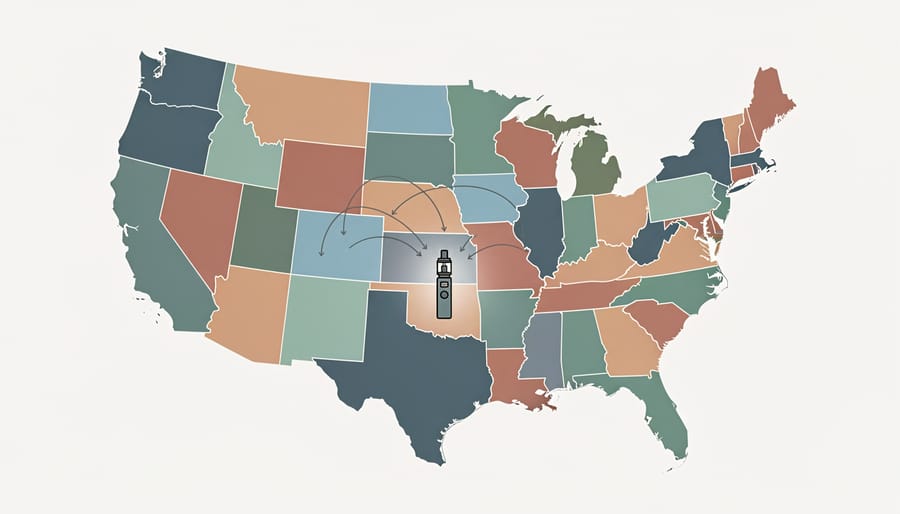
While the FDA sets the baseline for vaping regulations nationwide, your state and local governments often impose even stricter rules that directly affect what products you can buy and where you can use them. Understanding this regulatory patchwork is essential for staying compliant and avoiding surprises at your local vape shop.
State regulations vary dramatically across the country. Some states mirror federal requirements closely, while others have implemented comprehensive restrictions that go far beyond FDA mandates. For example, Massachusetts banned all flavored vaping products, including menthol, in 2020. California has prohibited the sale of most flavored tobacco products, while New York implemented similar restrictions. Meanwhile, states like Utah and Arkansas maintain strict licensing requirements for retailers, and several states have raised the minimum purchase age above the federal standard of 21 in specific circumstances.
Local regulations add another layer of complexity. Individual cities and counties can enact their own rules governing where vaping is permitted, how products are sold, and what types of products are available. San Francisco famously banned the sale of all e-cigarettes until products receive FDA authorization, while other municipalities have implemented flavor bans, taxation schemes, or retail licensing requirements unique to their jurisdictions.
To navigate this landscape effectively, start by checking your state’s health department website for current vaping regulations. Many states maintain dedicated pages outlining restrictions on flavors, sales locations, online purchases, and public use. Don’t stop there—contact your city or county clerk’s office to understand local ordinances. Reputable vape shops should also be knowledgeable about applicable regulations in your area and can serve as a resource for staying informed about changes that might affect your vaping choices.
What’s Coming Next: Future Regulatory Changes on the Horizon
The FDA has several significant regulatory actions in the pipeline that could substantially reshape the vaping landscape over the next few years. Understanding these potential changes helps you prepare for how they might affect your product choices and vaping experience.
The most anticipated regulatory development is the proposed ban on menthol-flavored products, which would extend beyond traditional cigarettes to include menthol vaping products. While the FDA has delayed this action multiple times, it remains a priority. If implemented, this restriction would eliminate a flavor category that many former smokers have used successfully in their transition away from combustible tobacco.
Nicotine level caps represent another significant proposal under consideration. The FDA has explored limiting nicotine concentrations in vaping products, potentially following models used in other countries. Such restrictions could force manufacturers to reformulate their e-liquids and might impact the effectiveness of vaping as a smoking cessation tool for heavy smokers who require higher nicotine levels during their transition period.
Expect intensified PMTA enforcement throughout the coming years. The FDA has indicated its commitment to removing unauthorized products from the market more aggressively. This means further market consolidation, with smaller manufacturers potentially unable to meet regulatory requirements. You may notice fewer product options available as enforcement actions increase.
Additional proposed regulations include stricter labeling requirements, expanded warning statements, and potential restrictions on device characteristics like battery power or e-liquid capacity. The FDA is also considering regulations specifically targeting synthetic nicotine products to close existing loopholes.
Staying informed about these regulatory developments is crucial for making educated decisions about your vaping needs. While the timeline for many of these changes remains uncertain due to administrative processes and potential legal challenges, being aware of what’s ahead allows you to plan accordingly and advocate for sensible regulations that protect adult access while addressing legitimate public health concerns.
Navigating FDA regulations might seem overwhelming, but understanding these rules empowers you to make informed decisions about your vaping journey. The regulatory landscape for vaping products continues to evolve, with new enforcement actions and policy updates emerging regularly. While these regulations have created challenges for both manufacturers and consumers—including reduced product availability and potential market disruptions—they also aim to ensure product safety and prevent youth access.
Staying informed is your best strategy. Regularly check for FDA announcements, follow industry news from independent sources, and verify that the products you purchase come from reputable manufacturers who prioritize compliance and quality. Whether you’re a seasoned vaper or considering the switch from traditional tobacco, knowledge of these regulations helps you identify legitimate products and avoid potentially unsafe alternatives.
Remember that responsible vaping practices go hand-in-hand with regulatory awareness. This includes purchasing from authorized retailers, avoiding counterfeit products, and understanding the ingredients in your e-liquids. While regulations may limit some choices, they ultimately support a marketplace where quality and safety standards protect consumers. By staying educated about FDA oversight and making thoughtful purchasing decisions, you can confidently navigate the regulated vaping landscape while accessing products that meet your needs.