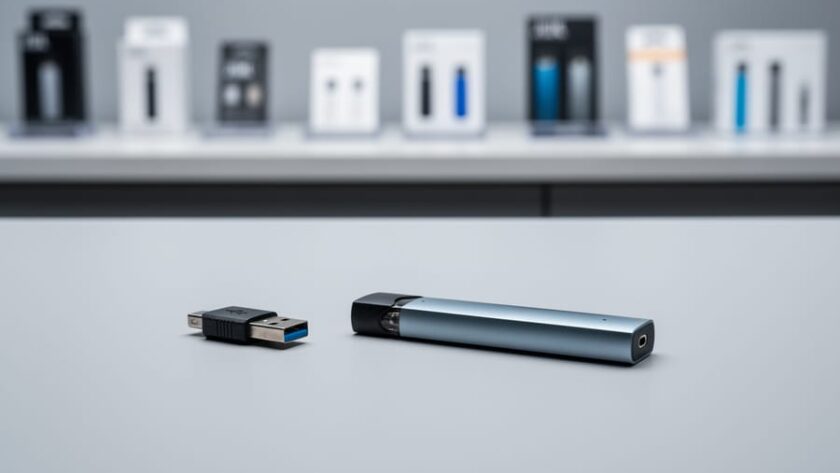
JUUL starter kits currently range from $14.99 to $19.99 at most U.S. retailers in 2026, making them one of the more affordable entry points into vaping. You’ll find the basic device-and-charger bundles at the lower end of that spectrum, while kits that include pod flavors cost slightly more. But that upfront price is just the beginning of what you’ll actually spend.
The upfront investment might seem straightforward, but understanding the full picture requires looking at what separates a $14.99 kit from a $19.99 one, and more importantly, what your monthly spending will look like once you’re committed to the system. Retailers like Vape Shack and Electric Tobacconist offer variations that bundle different numbers of pods or flavor options, which directly impacts that initial price point.
What most first-time buyers overlook is that the starter kit is essentially a gateway purchase. The device itself lasts indefinitely with proper care, but the proprietary pods create an ongoing expense that quickly eclipses your initial investment. A pack-a-day smoker switching to JUUL might save money long-term, but a casual vaper could find the pod replacement costs add up faster than expected.
This guide breaks down every factor that influences JUUL starter kit pricing, from retailer markups and bundle configurations to the hidden variables that affect your total cost of ownership. We’ll also compare the all-in-one convenience of JUUL against refillable pod systems that offer more control over long-term expenses. Whether you’re price-shopping or calculating your monthly vaping budget, you need the complete cost breakdown before committing.
JUUL Starter Kit Pricing by Retailer and Package Type
Basic Device Kits
The most affordable entry point into the JUUL ecosystem is the basic device kit, which strips away extras and focuses on the essentials. Two configurations dominate the market in 2026: the device-only package and the device-plus-charger bundle, both landing in the $14.99 to $19.99 range depending on where you shop.
Vape Shack offers one of the lowest prices at $14.99 for their starter kit, while and Electric Tobacconist typically price their Battery Kit (which includes the JUUL device and charger) at $19.99. The five-dollar spread comes down to retailer markup and whether a charging cable is bundled with the device. Some retailers sell the battery alone, expecting buyers to purchase a compatible USB charger separately or use one they already own.
What you get is straightforward: a rechargeable JUUL device in your choice of color (often Silver or other finishes, depending on availability) and, in most $19.99 packages, a USB charging dock. These kits contain no pods, so you’ll need to budget separately for JUULpods to actually use the device. The device-plus-charger option makes sense for first-time buyers who don’t have a compatible cable lying around, while the bare-bones device kit works for anyone upgrading or replacing a lost unit.
Bundle Kits with Pods
Bundle kits combine the device with pod packs, offering better value than piecing everything together separately. These packages get you vaping immediately without hunting for compatible pods after unboxing.
The most common bundle configuration pairs the JUUL device with flavor variety packs. One widely available option includes four pods in Virginia Tobacco, Cool Mint, Fruit Medley, and Crème Brûlée, letting new users sample different flavors before committing to a full pack of one type. This sampler approach helps smokers transitioning to vaping find their preference without buying multiple individual pod packs.
Retailers also offer dedicated flavor bundles. The Tobacco and Menthol Bundle Kit, for instance, includes the JUUL device plus five packs of either Tobacco or Menthol pods. This configuration suits users who already know they want a traditional tobacco taste or prefer menthol’s cooling sensation. Five pod packs represent a month’s supply for many moderate users, eliminating frequent reorders during the initial switching period.
Bundle pricing varies by retailer and pod quantity. While basic device-only kits sit at $14.99 to $19.99, bundles naturally cost more due to included pods, but the per-item price typically drops compared to buying separately. Check what’s actually in the box before purchasing, as some “starter kits” contain only the device and charger despite bundle-like marketing.
Where to Buy JUUL Starter Kits

You’ll find JUUL starter kits through three main channels in 2026. sells directly but requires account creation and age verification (minimum age 21) before you can browse or purchase. Authorized online retailers like Electric Tobacconist and Vape Shack offer JUUL kits without the account barrier, often with competitive pricing, Vape Shack lists their starter kit at $14.99, while Electric Tobacconist carries both battery-only kits and tobacco or menthol bundle options at $19.99. Local vape shops stock JUUL products too, giving you the advantage of immediate purchase and in-person advice, though selection and pricing vary by location. Stick with authorized sellers to ensure you’re getting genuine JUUL products and proper warranty support.
What’s Included in a JUUL Starter Kit
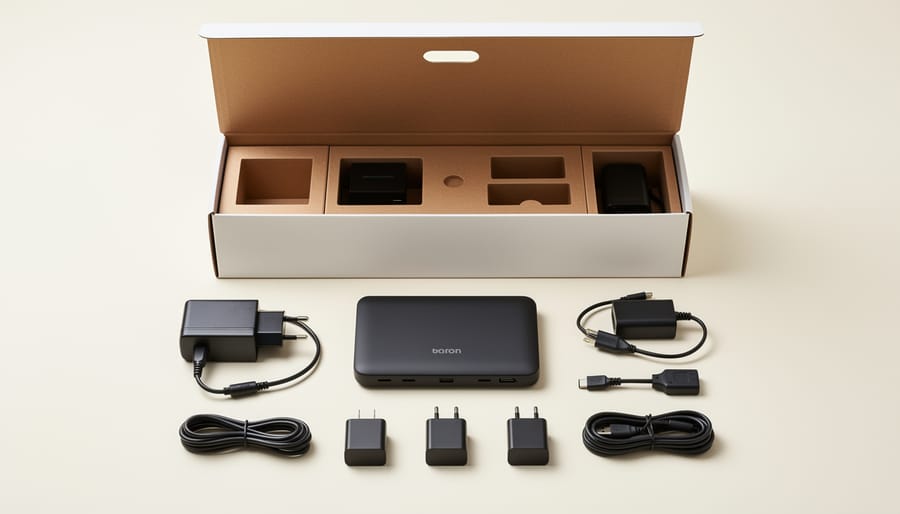
A standard JUUL starter kit delivers everything needed to begin vaping immediately, though exact contents vary by package type and retailer. The core offering centers on three components that define the JUUL experience: the device, charging method, and in some bundles, flavor pods.
At minimum, every starter kit includes the rechargeable JUUL device itself, a compact rectangular vaporizer measuring approximately 3.5 inches long. This battery-powered unit houses the heating element and magnetic connection that accepts JUUL pods. The device’s LED indicator shows battery status and activates automatically when you inhale, requiring no buttons or adjustments. Its simplicity makes it accessible for smokers unfamiliar with vaping technology.
The charging infrastructure comes standard, though presentation differs. The Battery Kit at $19.99 includes a USB charging cable, while some configurations provide a dedicated charging dock. Both connect to any USB power source, and the device reaches full charge in roughly an hour. This means you can power up from a laptop, wall adapter, or car charger without proprietary equipment.
Pod inclusion separates basic kits from bundles:
- Device-only kits ($14.99-$19.99) include the JUUL battery and charger but require separate pod purchase
- Four-pod variety bundles add Virginia Tobacco, Cool Mint, Fruit Medley, and Crème Brûlée flavors for sampling different profiles
- Five-pack specialty bundles focus on single flavors like Tobacco or Menthol for users with established preferences
- Each pod contains 0.7ml of nicotine salt e-liquid, equivalent to approximately one pack of cigarettes
The value proposition hinges on immediate usability. Unlike mod-style vapes requiring coil installation or tank filling, JUUL kits work within minutes of opening the box. This plug-and-play approach justifies the premium over building a custom setup, particularly for beginners prioritizing convenience over long-term cost optimization.
Total Cost Breakdown: Beyond the Starter Kit

Initial Purchase Costs
Your initial JUUL purchase involves two core expenses: the device itself and your first pods. In 2026, expect to spend $14.99 to $19.99 for a basic device kit that includes the JUUL battery and USB charger. At Vape Shack, for example, the starter kit runs $14.99, while and Electric Tobacconist price their Battery Kit at $19.99.
If you opt for a bundle with pods included, the upfront cost rises but delivers better immediate value. The Tobacco and Menthol Bundle Kit packages the device with five pod packs, eliminating the need for a separate pod purchase right away. Standard starter kits typically include four pods in assorted flavors, Virginia Tobacco, Cool Mint, Fruit Medley, and Crème Brûlée, giving you variety to test preferences without additional spending.
Factor in that you must be 21 or older to purchase, and requires account creation before checkout. Your true day-one outlay depends on whether you choose device-only or a pod-inclusive bundle.
Ongoing Pod Replacement Costs
The ongoing cost of JUUL pods typically represents the largest expense in your vaping budget. A 4-pack of JUUL pods costs between $12 and $25 at most retailers in 2026, with the average price around $15-$18. Some retailers offer 2-packs at lower price points for those who want to try flavors without committing to larger quantities.
Your monthly pod expenses depend entirely on usage patterns. Light users who take occasional puffs throughout the day might stretch a single pod across three to four days, spending roughly $15-$25 per month. Moderate users typically consume one pod daily, translating to $90-$135 monthly for a 30-day supply. Heavy users replacing multiple pods per day can easily spend $200 or more each month.
Pack size affects unit cost. Buying pods in larger quantities sometimes yields modest per-pod savings at certain retailers, though the price difference rarely exceeds a dollar or two per pod. Flavor availability varies by location due to regulatory restrictions, which can limit your purchasing options and affect where you find the best prices.
Shipping costs add another variable when ordering online. Some authorized retailers offer free shipping above minimum order thresholds, while others charge flat fees that can add $3-$7 to each purchase. Stocking up during promotional periods helps offset these recurring expenses.
Taxes and Shipping Fees
Taxes add a significant layer to JUUL’s actual cost, and they vary wildly by location. Many states impose state vaping excise taxes on top of standard sales tax, some charge a percentage of wholesale price, others a flat fee per milliliter of e-liquid. California, for example, levies a substantial excise tax that can push your total up by several dollars per transaction. Local jurisdictions sometimes pile on their own taxes, meaning your $19.99 starter kit might ring up closer to $25 or more at checkout depending on your ZIP code.
Shipping fees complicate online purchases. bundles tax into the displayed price after you log in and enter your address, but many authorized retailers charge separate shipping, typically $5 to $10 for standard delivery. Expedited options double that. Some online shops offer free shipping above a minimum order threshold, which can make bundling a starter kit with extra pods more economical than splitting purchases across multiple orders.
Factors That Affect JUUL Starter Kit Prices
JUUL starter kit prices can swing by several dollars depending on where and how you buy. The $14.99-$19.99 range you’ll encounter across retailers isn’t arbitrary, specific factors drive those differences, and understanding them helps you find legitimate deals rather than overpaying or accidentally buying from sketchy sources.
The most significant variables affecting what you’ll actually pay break down like this:
- Retailer markup and business modelOnline-only retailers like Electric Tobacconist often price lower than convenience stores or gas stations because they operate with lower overhead. A vape specialty shop might charge $19.99 while a corner store lists the same kit at $24.99, purely reflecting their cost structure and target margins.
- Local and state vaping taxesYour ZIP code matters enormously. States like California impose significant excise taxes on vaping products, which retailers pass directly to customers. A kit priced at $14.99 pre-tax in Texas might effectively cost $22 in a high-tax jurisdiction, even from the same retailer.
- Package configurationDevice-only kits naturally cost less than bundles that include multiple pod packs. When you see a $19.99 battery kit versus a $60 bundle with five pod packs, you’re paying for what’s in the box, not a price discrepancy for the same product.
- Promotional timingAuthorized retailers run periodic sales, particularly around holidays or during clearance periods. The same starter kit might drop from $19.99 to $14.99 during a promotion, then return to regular pricing.
- Authorized versus unauthorized sellersGray-market or counterfeit sellers sometimes undercut legitimate pricing to move questionable inventory. A suspiciously cheap kit, say, $9.99 when authorized retailers charge $15-20, raises red flags about authenticity and may indicate expired stock, counterfeits, or restricted products being sold illegally.
Shipping costs layer onto these factors when buying online. and authorized retailers typically charge $3-7 for standard delivery, though some offer free shipping above minimum order thresholds. Local purchases avoid shipping but may carry higher base prices due to retail overhead.
Age verification requirements also shape pricing indirectly. Authorized sellers invest in compliance systems, online ID checks, in-store verification, which factors into their cost structure. Retailers cutting corners on the federally mandated 21+ age requirement often signal other compliance issues, including product authenticity problems.
Geographic availability creates pricing pressure too. In areas with fewer authorized JUUL retailers, limited competition lets remaining sellers maintain higher prices. Urban markets with multiple vape shops tend toward the lower end of the pricing spectrum as stores compete for customers.
Buying a JUUL Starter Kit vs. Building Your Own Vape Setup
A JUUL starter kit delivers everything you need in one box, no guesswork required. You get a device engineered to work seamlessly with proprietary pods, eliminating compatibility concerns that plague DIY setups. For smokers making their first jump to vaping, this plug-and-play simplicity matters. You don’t need to understand ohms, wattage, or coil resistance. Charge it, snap in a pod, inhale.
Building your own setup or choosing an alternative pod system requires more research upfront. You’ll compare devices, select compatible pods or refillable cartridges, and ensure all components work together. Brands like SMOK, Vaporesso, and Caliburn offer starter kits in similar price ranges, often with refillable pods that cut long-term costs significantly. A refillable pod system lets you buy bottled e-liquid at $15-$20 per 30ml bottle instead of paying $12-$25 for four disposable JUUL pods that contain just 2.8ml of liquid total.
The math shifts quickly. If you vape a pod every two days, you’ll spend roughly $90-$180 monthly on JUUL pods alone. A comparable refillable system might cost $30-$50 monthly in e-liquid, saving $60-$130 each month after the initial device purchase. Over six months, those savings easily exceed $360.
Pros
- Zero learning curve with JUUL; works immediately out of the box
- No maintenance required beyond charging and pod swaps
- Consistent, reliable performance with no settings to adjust
- Widely available pods at convenience stores and gas stations
Cons
- JUUL pods cost 3-4 times more per milliliter than bottled e-liquid for refillable systems
- Limited flavor selection compared to open systems
- Locked into one brand’s ecosystem with no flexibility
- Higher total cost of ownership over time
JUUL makes sense if you value absolute simplicity and don’t mind paying a premium for convenience. It’s ideal for recent quitters who want an experience closest to smoking without any technical overhead. Experienced vapers or anyone comfortable with minimal upkeep will find better value in refillable alternatives. The device cost difference is negligible, but the ongoing pod expenses tell the real story. Choose based on whether you prioritize ease or economy.
Is a JUUL Starter Kit Worth the Cost?
For anyone who currently smokes cigarettes, a JUUL starter kit offers clear financial savings. A pack-a-day smoker spending $8, $10 per pack pays roughly $240, $300 monthly. Even accounting for the starter kit purchase and weekly pod replacements at $12, $25 per four-pack, JUUL users typically spend $150, $200 monthly, cutting cigarette-related costs by 30-50%. The initial $14.99, $19.99 device investment pays for itself within days of switching.
JUUL devices prove remarkably durable for their size. The rechargeable battery lasts 12-18 months with daily use before showing noticeable capacity decline. There are no buttons to break, tanks to crack, or coils to replace. When the battery eventually degrades, you’re replacing a $15, $20 device, not repairing a $60, $100 mod. This simplicity translates to predictable costs and minimal frustration.
The user experience justifies the premium for smokers making their first vape purchase. JUUL requires zero setup, no voltage adjustment, and no e-liquid refilling. You charge it, snap in a pod, and inhale. That immediacy matters when you’re breaking a cigarette habit and need something that works without research or tinkering. The throat hit closely mimics smoking, which helps with the psychological transition many smokers struggle with.
Pod availability remains JUUL’s ongoing challenge. While authorized retailers stock the device consistently, flavor restrictions mean you’re limited to tobacco and menthol in many jurisdictions. If you want variety or prefer fruit flavors, other pod systems offer broader selections and often cheaper refill costs.
JUUL makes sense for smokers prioritizing simplicity and a cigarette-like experience over customization. If you vape heavily, enjoy experimenting with flavors, or want the lowest possible per-puff cost, refillable pod systems or open-tank devices deliver better long-term value. For light to moderate users switching from cigarettes who value convenience and discreet use, the JUUL ecosystem’s higher pod prices buy genuine ease of use.
Frequently Asked Questions
What’s the minimum age to buy a JUUL starter kit?
You must be at least 21 years old to purchase JUUL products in the United States. All authorized retailers, including, require age verification before completing a purchase.
Where can I buy a JUUL starter kit?
You can purchase JUUL starter kits directly from (requires account creation and age verification), through authorized online retailers like Electric Tobacconist and Vape Shack, or at local vape shops. Stick with authorized sellers to ensure you’re getting genuine products.
Do JUUL starter kits come with pods?
It depends on the package you choose. The basic Battery Kit ($19.99) includes just the device and charger, while bundle kits include the device plus pod packs in flavors like Tobacco, Menthol, Virginia Tobacco, Cool Mint, Fruit Medley, and Crème Brûlée.
How long does a JUUL pod last?
A single JUUL pod typically lasts 200 puffs or about a day for average users, though heavy users might go through one pod per day while lighter users can stretch a pod across several days. Your mileage will vary based on how frequently you vape.
When evaluating whether the starter kit cost makes sense for you, consider not just the upfront price but how your pod consumption patterns will affect monthly expenses. If you’re a pack-a-day smoker looking to switch, the initial investment is modest, but tracking how many pods you use per week gives you a realistic picture of long-term costs. Most users find they need to budget for pod replacements every few days, making ongoing expenses the larger consideration beyond that first purchase.
DIY vs Hiring a Pro
The “DIY versus hiring a professional” framework doesn’t apply to JUUL starter kits in the traditional sense, there’s no professional installation or setup service for a device you simply charge and use. However, the real comparison here is between buying a ready-made JUUL system versus assembling a custom vape setup from individual components, which some experienced vapers prefer.
Choosing JUUL costs $14.99 to $19.99 upfront and requires zero technical knowledge. You get a device designed for immediate use with minimal learning curve, ideal for smokers making their first switch. The trade-off is less flexibility: you’re locked into JUUL’s pod ecosystem and pricing, with no ability to adjust wattage, swap tanks, or use third-party e-liquids.
Building a custom pod system from scratch, selecting a separate battery mod, tank, coils, and e-liquid, can cost anywhere from $30 to $80 initially but offers long-term savings through refillable options and lower per-milliliter e-liquid costs. The catch: you’ll spend hours researching compatibility, learning ohm ratings and coil maintenance, and troubleshooting leaks or dry hits. For newcomers, this complexity often leads to frustration and device abandonment.
JUUL eliminates the trial-and-error phase entirely. If simplicity and reliability matter more than customization and you want to start vaping today rather than next week, the pre-packaged route makes sense.
In 2026, JUUL starter kits typically cost between $14.99 and $19.99, making them one of the more accessible entry points for smokers looking to switch to vaping. The device-only kits provide the basic hardware at the lower end of that range, while bundles with pods and charging accessories reach the higher price point. However, the initial purchase is just part of the equation.
Your true cost of ownership depends heavily on how often you vape and where you live. Pod replacements run $12 to $25 per four-pack, and heavy users may go through a pack or more weekly. Local excise taxes can add significant expense in some jurisdictions, and shipping fees apply when ordering online. Over a month, the total can easily match or exceed what you’d spend on cigarettes, though many users find value in the convenience and reduced harm potential.
JUUL’s strength lies in simplicity. There’s no learning curve, no settings to adjust, and no maintenance beyond charging. For someone overwhelmed by mod choices or just wanting a cigarette-like experience, that straightforward design justifies the cost. Just remember that you must be at least 21 to purchase, and buying from authorized retailers like or verified vape shops ensures you get genuine devices and avoid counterfeit pods.