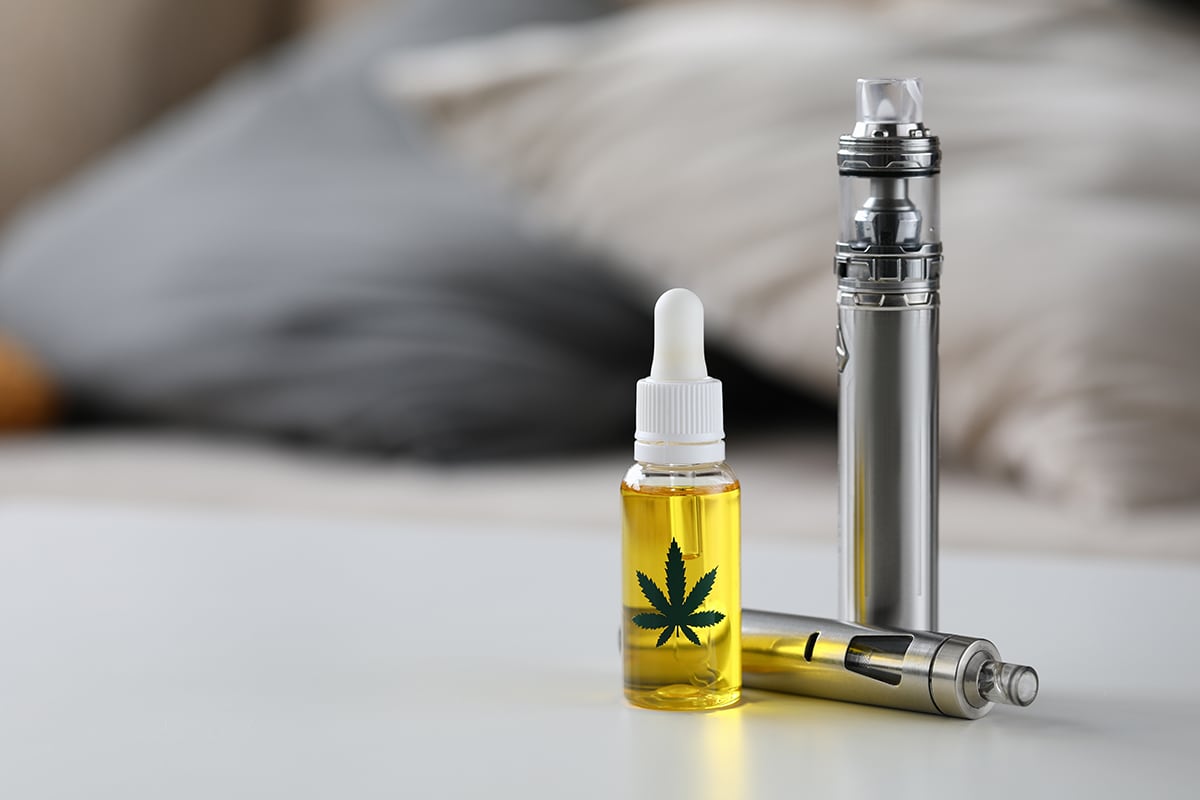

Hemp-derived THC vape gummies represent a confusing product name for what are actually fast-acting edible gummies infused with legal Delta-8 or Delta-9 THC extracted from hemp. Despite the misleading “vape” terminology sometimes used in marketing, these are not vaporized products but rather oral gummies that deliver cannabinoids through digestion, though some formulations use nano-emulsified THC for quicker absorption than traditional edibles. You’ll find THC gummies online marketed with various confusing labels, making it essential to understand exactly what you’re buying.
Key Takeaway: Hemp-derived THC gummies are legal edibles containing Delta-8, Delta-9, or other hemp cannabinoids. They’re not vaped despite some misleading product names; they’re consumed orally like standard gummies but may offer faster onset times through advanced formulation techniques.
The cannabis and vaping markets have converged in unexpected ways since the 2018 Farm Bill legalized hemp and its derivatives, creating a gray-market boom in psychoactive products sold legally across most states. This guide cuts through the marketing confusion to help you identify legitimate products, understand the different cannabinoid options available in 2026, and make informed purchasing decisions based on potency, formulation quality, and third-party testing standards.
Whether you’re switching from traditional cannabis edibles, exploring legal alternatives in restrictive states, or simply trying to understand this rapidly evolving product category, you need clear information about what these gummies actually contain, how they differ from both vape products and conventional edibles, and which brands maintain the testing transparency and quality control that independent reviews consistently recommend. The stakes matter because poorly manufactured hemp products flood online marketplaces, often with inaccurate labeling and contamination risks that reputable manufacturers have worked to eliminate through rigorous quality protocols.
What Are Hemp-Derived THC Vape Gummies?
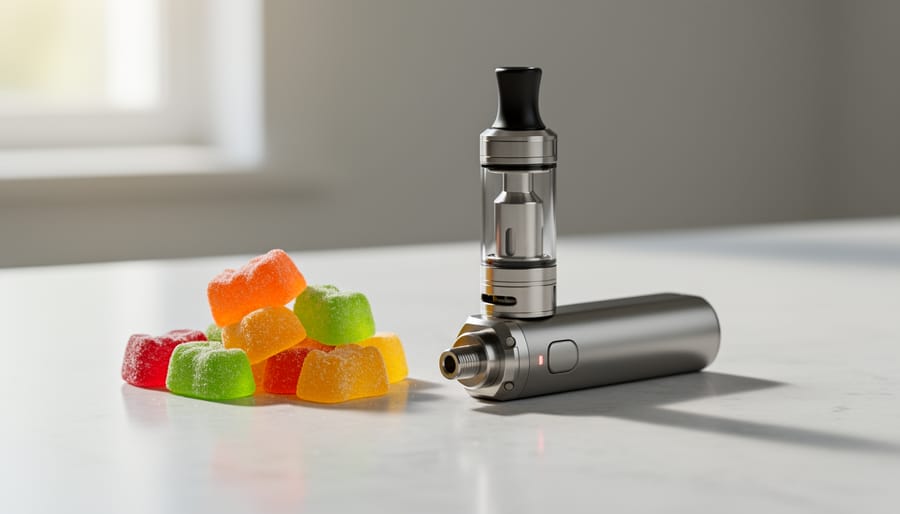
Hemp-derived THC vape gummies represent a hybrid product category that bridges two distinct consumption methods: vaping and traditional edibles. Despite the name, these aren’t gummies you eat. Instead, they’re typically gummy-flavored vape products, cartridges, disposable devices, or pods containing THC extract with gummy-inspired flavor profiles like strawberry, watermelon, or mixed berry. Some manufacturers use the term to describe small, gummy-shaped disposable vapes designed to resemble actual candy, though the product is still inhaled rather than consumed orally.
The “hemp-derived” designation carries significant legal weight. Under the 2018 Farm Bill, hemp-derived THC comes from cannabis plants containing less than 0.3% delta-9 THC by dry weight. This federal legal framework allows manufacturers to produce THC products from hemp that occupy a regulatory gray area, technically legal at the federal level when they meet specific criteria, though state laws vary considerably. Marijuana-derived THC, by contrast, comes from cannabis plants exceeding that 0.3% threshold and remains federally illegal, available only through state-licensed dispensaries in jurisdictions with legal cannabis programs.
Most hemp-derived THC vape gummies contain delta-8 THC, delta-10 THC, or THC-O rather than traditional delta-9 THC, though some formulations now include hemp-derived delta-9 at compliant concentrations. These cannabinoids are extracted from hemp using various methods, then formulated with carrier oils, flavorings, and sometimes other cannabinoids like CBD or CBG.
For those new to vaping for beginners understanding this distinction matters: you’re purchasing a vaping device with gummy flavoring, not an edible product. The effects onset within minutes through inhalation rather than the 30-90 minute delay typical of actual gummy edibles. The term “gummy” refers purely to flavor profile and sometimes device shape, not the consumption method or effect timeline.
Key Factors to Consider When Buying Hemp-Derived THC Vape Gummies
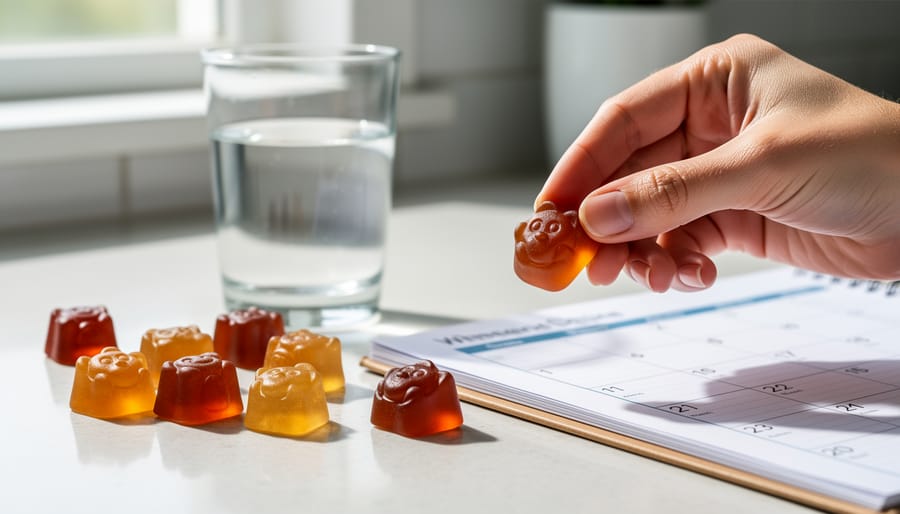
THC Potency and Concentration
THC potency determines how much active cannabinoid you’re consuming per puff or session, and understanding these numbers prevents both underwhelming experiences and uncomfortable overconsumption.
Most hemp-derived THC vape gummies list potency in milligrams per device or per estimated serving. A typical range spans 5mg to 50mg per unit, though some high-potency options exceed 100mg. Beginners should start with products containing 5-10mg total THC and take conservative puffs, one or two inhales, then wait 15 minutes to assess effects before continuing.
Experienced users comfortable with THC often prefer 25-50mg concentrations for stronger, longer-lasting sessions. However, vaping delivers cannabinoids faster than traditional edibles, so even seasoned consumers should approach new products cautiously.
Check whether the listed potency refers to the entire device or a standardized “serving.” Some manufacturers use vague serving definitions, making direct comparisons difficult. Calculate your per-puff intake by dividing total THC content by the estimated puff count (usually 200-300 puffs for disposables).
Concentration also matters, products with higher THC percentages in the vape oil deliver more cannabinoid per inhalation volume. Look for concentration percentages alongside total milligrams for the complete potency picture.
Extraction and Ingredient Quality
The extraction method determines the purity and safety of the THC in your vape gummies. CO2 extraction is the gold standard, it produces clean concentrates without residual solvents like butane or propane that cheaper methods may leave behind. Ethanol extraction is acceptable if the manufacturer confirms complete solvent removal through lab testing. Avoid products that don’t specify their extraction process or claim proprietary methods without transparency.
Carrier oils deserve equal scrutiny. MCT oil (medium-chain triglycerides) and vegetable glycerin are generally safe for ingestion but require careful formulation for inhalation. Never purchase products containing vitamin E acetate, which has been linked to severe lung injury. Hemp seed oil and propylene glycol are common alternatives, but verify they’re food-grade and intended for vaporization.
Flavor additives require special attention, not all flavorings safe to inhale are created equal. Look for natural terpenes and food-grade flavor compounds explicitly approved for vaping. Artificial sweeteners like diacetyl should be absent. Reputable manufacturers list every ingredient, not just “natural and artificial flavors.” Check for cutting agents too, legitimate products don’t need fillers like polyethylene glycol (PEG) to function properly.
Third-Party Lab Testing and Transparency
A reputable hemp-derived THC vape gummy brand will always provide a certificate of analysis (COA) from an accredited third-party laboratory. These documents verify that the product contains the advertised THC concentration and is free from contaminants like heavy metals, pesticides, residual solvents, and microbial impurities. When reviewing a COA, confirm it matches the specific batch number on your product packaging, generic or undated reports are meaningless. The lab should be ISO-certified and independent from the manufacturer to avoid conflicts of interest.
Red flags include brands that refuse to share lab results, provide only partial testing panels (such as potency without contamination screening), or display outdated COAs from different product batches. Some companies post fake or altered certificates, so verify the testing lab is real by checking their website directly. If you can’t easily access current, comprehensive lab reports before purchasing, walk away, transparency isn’t optional in this industry, it’s the baseline for safety. Any legitimate manufacturer understands that independent verification protects both consumers and their reputation.

Device Compatibility and Design
Device compatibility often determines whether a hemp-derived THC vape gummy product actually works for your lifestyle. Most products fall into two categories: disposable all-in-one units or cartridges requiring separate hardware.
Disposable vape gummies come pre-charged and pre-filled, requiring no setup or additional purchases. You vape until the battery or gummy-flavored liquid depletes, then dispose of the entire unit. These suit beginners and travelers who prioritize convenience over long-term cost efficiency. Check the battery capacity (typically 280-400mAh for disposables) and estimated puff count, undersized batteries often die before the liquid runs out, wasting product.
Refillable systems or cartridge-based products need compatible hardware. Some manufacturers produce proprietary devices that only accept their branded cartridges, locking you into one ecosystem. Universal 510-thread cartridges offer more flexibility, working with any standard battery from the best vape mod to basic pen batteries. Verify thread compatibility before buying cartridges separately.
Design features matter for daily use. Look for draw-activated devices (no buttons required) if you want simplicity, or variable voltage controls if you prefer customizing your experience. USB-C charging beats micro-USB for durability and speed. Leakproof cartridge seals prevent wasted product and pocket messes. Discreet, pocket-friendly sizes work better for on-the-go use than bulky devices, though larger units typically house bigger batteries for extended sessions between charges.
Types of Hemp-Derived THC Vape Gummies Compared
Disposable Vape Gummies vs. Refillable Systems
Disposable vape gummies offer ultimate convenience, you open the package and start using immediately, with no charging, refilling, or maintenance required. They’re ideal for travelers, first-time users testing the category, or anyone who values simplicity over customization. The upfront cost is lower, typically $15-30 per device, though the per-use price climbs significantly with regular consumption. Quality can be inconsistent across brands, and you’re locked into whatever potency and flavor the manufacturer chose.
Refillable systems demand higher initial investment, $40-80 for hardware, but drastically reduce long-term costs since replacement pods or cartridges run $20-35 and last considerably longer. You gain control over potency and flavor selection by swapping cartridges, making these systems more versatile for experienced users with established preferences. The trade-off is learning curve and upkeep: charging batteries, cleaning connections, and occasionally replacing coils or pods.
Environmental impact favors refillable systems substantially. Disposables generate waste with every depleted unit, while reusable hardware only discards small cartridges. However, refillable options for hemp-derived THC vape gummies remain limited in 2026, as most manufacturers focus on disposable formats due to regulatory uncertainty and market demand for grab-and-go products.
Delta-8 vs. Delta-9 vs. Delta-10 THC Variants
Hemp-derived THC vape gummies come in three primary cannabinoid variants, each offering distinct effects and legal considerations.
Delta-9 THC is the classic compound found in cannabis, delivering the familiar psychoactive experience users associate with marijuana. When derived from hemp and kept below 0.3% concentration by dry weight under the 2018 Farm Bill, it occupies a legal gray area federally, though some states have enacted specific restrictions.
Delta-8 THC produces milder psychoactive effects, often described as a clearer-headed high with less anxiety than Delta-9. It’s created through chemical conversion of CBD, which raises purity concerns without proper lab testing. Several states have banned Delta-8 specifically, making local legality critical to verify.
Delta-10 THC is the newest variant, offering even subtler effects that many users report as more energizing than sedating. Its availability in vape gummy format remains limited compared to Delta-8 and Delta-9 options.
All three variants appear in drug tests as THC metabolites, so they’re unsuitable if you face screening. The choice between them depends on desired intensity, local regulations, and personal tolerance. First-time users typically start with Delta-10 or Delta-8 for gentler introduction, while experienced consumers often prefer Delta-9 for stronger effects.
Full-Spectrum vs. Isolate Formulations
Hemp-derived THC vape gummies come in two primary formulations that significantly affect your experience and drug testing outcomes.
Full-spectrum formulations contain the complete range of cannabinoids, terpenes, and flavonoids naturally present in hemp. This includes CBD, CBG, CBN, trace cannabinoids, and aromatic compounds working together through what researchers call the “entourage effect”, where compounds interact synergistically to potentially enhance therapeutic benefits and modify effects. Users often report more nuanced, well-rounded experiences with full-spectrum products, though effects vary individually. The trade-off: these formulations contain multiple cannabinoids that may trigger positive results on standard drug tests.
Isolate formulations use pure, isolated THC compound (typically Delta-8 or Delta-9) without other cannabinoids or terpenes. You get predictable, consistent effects focused solely on THC’s properties, ideal if you want straightforward potency without complexity. Manufacturers often add cannabis-derived or botanical terpenes back in for flavor without the full cannabinoid profile.
For drug testing, neither formulation guarantees a pass. Both contain THC metabolites that standard tests detect. Full-spectrum products carry higher risk due to multiple detectable compounds. If employment screening concerns you, abstaining remains the only reliable approach.
Top Hemp-Derived THC Vape Gummy Recommendations for 2026
Best for Beginners
For those new to hemp-derived THC vape gummies, the Koi Delta-8 THC Disposable Vape Gummy stands out as an ideal entry point. This disposable device offers 5mg of Delta-8 THC per serving, a conservative dose that allows first-timers to gauge their tolerance without overwhelming effects.
The single-button operation eliminates confusion about settings or refills. You simply inhale to activate, and the device handles everything else. The watermelon flavor authentically mimics gummy candy while masking the hemp taste that some beginners find off-putting.
What sets this option apart is Koi’s transparent third-party testing, with easily accessible lab reports showing exactly what’s in each device. At around $25, it’s reasonably priced for experimenting without major financial commitment. The 1ml capacity provides roughly 150 puffs, enough to determine if this consumption method suits you before investing in more expensive or potent alternatives.
The built-in draw resistance prevents accidental overconsumption, a common beginner mistake with more powerful devices.
Best Value Option
For budget-conscious consumers, the Hometown Hero Delta-8 THC Disposable Vape in gummy flavors delivers impressive value without compromising safety or effectiveness. Priced around $25-30 for a 2-gram disposable containing roughly 1,400mg of hemp-derived delta-8 THC, it costs significantly less per milligram than premium options while maintaining reliable quality standards.
What sets this apart in the value category is Hometown Hero’s consistent third-party lab testing and transparent sourcing from American-grown hemp. You’re not sacrificing safety verification to save money. The device itself features a rechargeable battery that actually lasts through the entire cartridge, a common failure point in cheaper disposables that forces you to waste product.
The gummy bear flavor profile is authentic without tasting artificial or chemically, and the 900-1,100 puff estimate holds true in real-world use. At roughly two cents per puff, it costs about half what you’d pay for equivalent premium brands. For beginners testing hemp-derived THC or experienced users who vape frequently and need affordable daily options, this represents the sweet spot between quality assurance and reasonable pricing.
Best for Potency
For experienced users who’ve developed tolerance or simply prefer maximum strength, Delta Munchies’ Delta-9 THC Extreme Gummy Vape delivers 50mg of hemp-derived Delta-9 THC per device, nearly double what most competitors offer. This disposable unit contains 2ml of full-spectrum hemp extract, providing roughly 300 puffs of potent vapor that hits harder and faster than lower-concentration alternatives.
The full-spectrum formulation means you’re getting cannabinoids beyond just THC, which many experienced users report creates more pronounced effects than isolate products at similar milligram counts. The watermelon flavor profile masks the hemp taste effectively without becoming cloying after repeated sessions.
Fair warning: this isn’t a product for occasional users or anyone new to THC vaping. The draw-activated firing mechanism requires no settings adjustment, but the vapor density can feel harsh if you’re not accustomed to high-potency concentrates. Start with shorter pulls than you would with milder devices, especially during your first session. The rechargeable USB-C battery ensures you’ll use every drop of extract without the device dying prematurely, a common frustration with cheaper high-potency disposables.
Best for Flavor Variety
For vapers who value taste as much as effect, Koi CBD Delta-9 THC Vape Gummies stand out with their rotating selection of authentic candy flavors. Unlike competitors that offer three or four standard fruit profiles, Koi maintains eight distinct gummy-inspired options at any given time, from classic watermelon and blue raspberry to less common profiles like tropical punch and sour apple.
What sets Koi apart is flavor accuracy. Their gummy taste actually resembles premium confectionery rather than generic artificial sweetness. The brand uses food-grade terpene blends and natural flavor extracts that deliver consistent taste from first puff to last, without the burnt or chemical aftertaste common in cheaper alternatives. Each 10mg Delta-9 disposable maintains flavor integrity for approximately 200 puffs.
At $34.99 per device, Koi commands a premium over budget options, but the investment pays off for flavor enthusiasts. The disposables require no setup, just unwrap and inhale. Seasonal limited editions appear quarterly, keeping the lineup fresh for repeat customers who prioritize variety over routine.
Common Mistakes to Avoid When Buying Hemp-Derived THC Vape Gummies
Buying hemp-derived THC vape gummies requires careful attention to details that many consumers overlook in their eagerness to try these products. Avoiding these common pitfalls protects your health, money, and legal standing.
The single biggest mistake is ignoring third-party lab testing or accepting vague “tested for quality” claims without seeing actual certificates of analysis. Some buyers assume regulatory oversight guarantees product safety, but the hemp-derived THC market remains largely unregulated. Without verified lab reports confirming cannabinoid content and screening for pesticides, heavy metals, and harmful additives, you’re essentially experimenting with unknown substances. Always request and review COAs before purchasing, and walk away from any vendor who can’t provide them immediately.
Many consumers also fall into predictable traps that compromise their experience or safety:
- Starting with high-potency products, Beginners who jump straight to 25mg+ servings often have overwhelming experiences that discourage further use; start low (5-10mg) regardless of your edible tolerance
- Assuming all Delta-8 or Delta-9 products are federally legal everywhere, State laws vary dramatically, and what’s legal to purchase online may be illegal to possess in your jurisdiction
- Buying solely based on price, Rock-bottom prices usually indicate inferior extraction methods, synthetic cannabinoids, or absent quality control
- Ignoring device battery and shelf life, Disposable vape gummies have expiration dates, and batteries can die before the product is consumed, wasting your money
- Trusting marketing claims over ingredient lists, Terms like “all-natural” or “premium” mean nothing without transparent ingredient disclosure and quality sourcing
- Mixing with alcohol or medications, Hemp-derived THC interacts with numerous substances; check with your doctor if you take any regular medications
Another critical error is treating these products like traditional gummies you can casually share or leave accessible. Hemp-derived THC vape gummies often look identical to regular candy, creating serious risks if children or pets find them. Store them in locked, clearly labeled containers, never in your regular pantry or accessible drawers.
Finally, many buyers neglect to research the vendor’s reputation and return policy. The hemp-derived THC market includes both legitimate companies and opportunistic operators selling untested or mislabeled products. Check independent reviews, verify how long the company has operated, and ensure they offer clear contact information and customer service. Reputable vendors stand behind their products with reasonable return policies for defective devices, even if they can’t accept returns on opened consumables for safety reasons.
Health and Safety Considerations
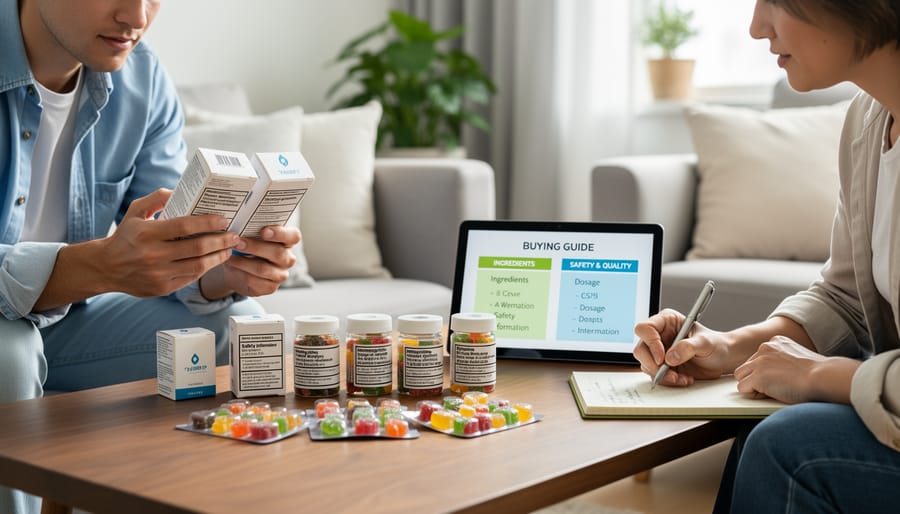
Vaping hemp-derived THC carries distinct health considerations that differ from both traditional cannabis consumption and nicotine vaping. The primary concern centers on lung health, as inhaling any vaporized substance introduces foreign particles and compounds into respiratory tissue. While vaping eliminates combustion byproducts found in smoking, the long-term effects of inhaling THC vapor and flavoring agents remain incompletely understood, particularly for hemp-derived cannabinoid formulations that lack the extensive research history of marijuana products.
People with pre-existing respiratory conditions, including asthma, COPD, or chronic bronchitis, should avoid vaping THC products entirely. The irritation from vapor can trigger acute symptoms and worsen underlying lung disease. Similarly, individuals with cardiovascular conditions face elevated risks, as THC increases heart rate and can affect blood pressure regulation. Pregnant and breastfeeding individuals should not use these products, as cannabinoids cross the placental barrier and appear in breast milk, potentially affecting fetal and infant development.
The addiction potential of hemp-derived THC vape gummies warrants serious consideration. While cannabis dependence develops less frequently than addiction to substances like nicotine or opioids, regular THC use can lead to psychological dependence characterized by cravings, tolerance buildup, and withdrawal symptoms when stopping. The convenience and discreet nature of vape gummies may encourage more frequent use than traditional consumption methods, accelerating tolerance development. Withdrawal symptoms typically include irritability, sleep disturbances, decreased appetite, and mood changes.
To minimize health risks, practice harm reduction strategies: start with the lowest effective dose and wait at least two hours before increasing intake, as THC effects can take longer to manifest than expected. Avoid daily use to prevent tolerance escalation and dependence patterns. Never combine THC vaping with alcohol or other central nervous system depressants, as this combination magnifies impairment and increases accident risk. Store devices securely away from children and pets, and never vape while driving or operating machinery, as THC significantly impairs reaction time, coordination, and judgment for several hours after use.
Regulatory and Legal Status in 2026
The legal landscape for hemp-derived THC vape gummies remains complex and varies significantly across jurisdictions. At the federal level, the 2018 Farm Bill established the federal hemp definition as cannabis containing no more than 0.3% delta-9 THC by dry weight, effectively legalizing hemp and its derivatives. This created a pathway for hemp-derived cannabinoids like delta-8 and delta-10 THC, which some manufacturers argue fall under legal hemp provisions. However, the FDA has not approved hemp-derived THC products for human consumption and maintains that adding THC to inhalable or edible products violates federal law, creating regulatory uncertainty.
State regulations diverge dramatically from federal frameworks. Some states have explicitly banned delta-8 and other semi-synthetic hemp-derived cannabinoids, while others regulate them similarly to CBD or impose age restrictions and testing requirements. States like Colorado, Alaska, and Montana prohibit delta-8 THC entirely, whereas others have implemented licensing systems for hemp-derived THC products. A handful of states operate in legal gray areas where enforcement remains inconsistent.
The regulatory environment continues evolving rapidly. Several states introduced new hemp-derived THC legislation throughout 2025 and into 2026, with trends toward either outright bans or structured regulatory frameworks similar to adult-use cannabis programs. The FDA periodically issues warning letters to manufacturers making health claims or selling products with THC concentrations exceeding federal limits.
To verify legality in your area, check your state’s cannabis control board or department of agriculture website for current hemp and THC regulations. Local ordinances may impose additional restrictions beyond state law, particularly regarding where these products can be sold or consumed. When purchasing online, reputable vendors typically restrict shipping to states where products are legal, but verifying compliance remains the buyer’s responsibility.
Frequently Asked Questions
Will hemp-derived THC vape gummies show up on drug tests?
Yes, most standard drug tests cannot distinguish between hemp-derived and marijuana-derived THC metabolites. If you face employment screening or legal testing, any THC product poses detection risk regardless of its legal source.
How long do the effects typically last?
Vaping hemp-derived THC generally produces effects within 5-15 minutes that peak around 30 minutes and last 2-4 hours. This is considerably shorter than traditional edibles, which can last 6-8 hours but take 60-90 minutes to kick in.
Are these products legal everywhere in the United States?
No, legality varies by state despite federal hemp provisions. Some states have enacted vaping restrictions or banned hemp-derived THC compounds entirely. Always verify your local laws before purchasing or traveling with these products.
What’s the typical shelf life for these products?
Properly stored hemp-derived THC vape gummies usually maintain potency for 12-18 months. Keep them in cool, dark places away from direct sunlight and heat to preserve cannabinoid stability and prevent battery degradation in disposable units.
Beyond these common concerns, buyers often wonder how regulatory oversight affects product safety. The current FDA regulatory process for hemp-derived cannabinoid products remains incomplete, creating a market where third-party testing and brand reputation matter more than federal certification. This regulatory gap explains why verifying Certificates of Analysis is so critical.
Another frequent question involves dosage consistency. Unlike edibles where you can cut a gummy in half, vape products deliver THC per puff rather than per serving. This makes controlling your intake trickier, especially for beginners. Start with one or two inhalations, wait 15 minutes to assess effects, then decide whether to continue. Don’t chase the experience by taking multiple hits immediately, as vaping’s rapid onset can lead to overconsumption before you realize you’ve had enough.
Choosing hemp-derived THC vape gummies requires careful attention to multiple factors that directly impact your experience and safety. Prioritize products with transparent third-party lab testing, quality extraction methods, and clear potency labeling. The difference between a reliable product and a questionable one often comes down to verification, never skip checking certificates of analysis or researching manufacturer reputation.
Legal compliance remains equally critical. Hemp-derived THC exists in a complex regulatory environment where federal legality doesn’t guarantee state or local acceptance. Before purchasing, confirm the specific THC variant is legal in your jurisdiction and that the product meets the 2018 Farm Bill requirements. Regulations continue evolving, so staying informed protects you from unintended legal consequences.
Your individual needs should guide your selection. Beginners benefit from lower potency and disposable formats, while experienced users might prefer full-spectrum formulations or refillable systems. Budget considerations matter, but compromising on quality testing or ingredient transparency carries risks that outweigh short-term savings.
We’ve built this guide to give you independent, practical information without brand bias or hidden agendas. The vaping community deserves honest guidance that respects both newcomers and experienced users. Armed with these buying criteria, you can make informed decisions that align with your preferences, budget, and legal requirements. Your safety and satisfaction depend on doing the research upfront rather than discovering issues after purchase.